


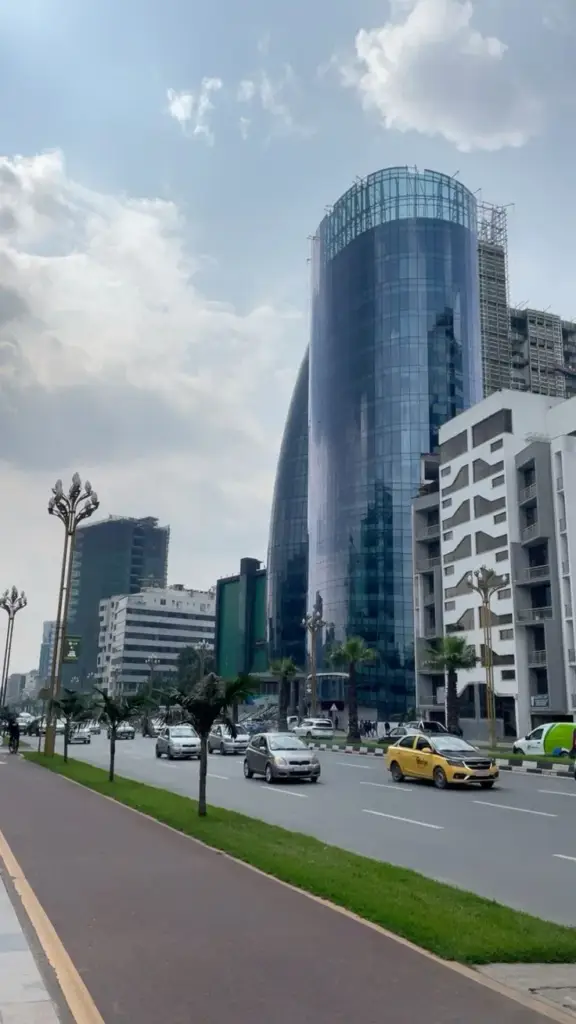
Introduction
To all exploring the world of Nigeria architecture, you have probably noticed how the country’s wild weather patterns play a huge role in everything from rooftops to room layouts. Nigeria’s got it all; scorching heat in the north, heavy rains in the south, and everything in between. This is not just about aesthetics; it is about creating spaces that stand up to Mother Nature while keeping folks cool and comfy.
In this post, we will talk about how Nigeria’s diverse climates influence architectural choices, from material picks to smart layouts. We will touch on sustainable tricks that cut down on energy bills; super relevant with Nigeria’s power challenges. Stick around for practical insights.
RELATED BLOG POSTS
Dream Big: Understanding Architectural Home Designs
Architectural Design Patterns: A Beginners Guide
Nigerian Modern Architectural Designs: latest Trend
Nigerian Architecture: 7 Costly Mistakes to Avoid
Ready to bring your vision to life? Chat with us at Imprexi today for tailored advice on climate-responsive builds.
Nigeria Architecture: Understanding Nigeria’s Climate Zones
1. Sahel Zone (The Hot-Dry North – Kano, Sokoto, Maiduguri)
– Daytime temps: Regularly 40–45°C
– Humidity: Super low (sometimes <20%)
– Big issues: Intense solar radiation, harmattan dust storms, almost zero rain
Smart architecture must-haves:
– Thick walls + night ventilation to trap cool air
– Small windows with deep overhangs or mashrabiya-style shading
– Courtyards and wind catchers (“malqaf”) for natural cooling
– Light-colored roofs and walls to bounce heat away
2. Tropical Rainforest Zone (The Humid South – Lagos, Port Harcourt, Enugu, Calabar)
– Humidity: 80–100% almost year-round
– Annual rainfall: 2,000–4,000+ mm (and climbing)
– Big issues: Flooding, mold, heat + humidity combo, stronger storms
Smart architecture must-haves:
– Houses on stilts or high plinths
– Wide overhanging roofs + deep verandas for rain protection
– Cross-ventilation on steroids (louvered walls, elevated floors)
– Pervious surfaces and bioswales to swallow floodwater instead of fighting it
3. Guinea Savanna Zone (The Middle Belt – Abuja, Jos, Ilorin, Kaduna)
– Best of both worlds: Clear wet season + dry season
– Temps: 25–35°C, cooler on the Jos Plateau
– Big issues: Strong seasonal winds, occasional heavy rain, temperature swings day-to-night
Smart architecture must-haves:
– Orient buildings to catch harmattan breezes but block hot afternoon sun
– Medium-mass walls for thermal lag (keeps it comfy when nights drop)
– Roof designs that handle both wind pressure and sudden downpours
– Mixed shading: pergolas for dry season, solid overhangs for rainy season
Bottom line: One-size-fits-all architecture is dead in Nigeria. Build for the zone you are in, respect the Sahel dust, elevate above the Lagos floods, and let the savanna breezes do the air-conditioning for free.
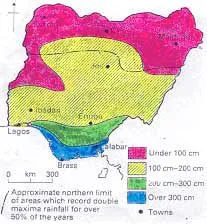
Image by WordPress.com – build and grow any website. On Pinterest
How Climate Influences Key Design Elements in Nigeria Architecture
Now, let’s get into the nitty-gritty of how climate shapes Nigeria architecture. Starting with temperature control, in hot northern spots, architects prioritize passive cooling. That means big overhangs to shade windows and courtyards that let breezes flow through. Imprexi nails this in their modern designs, using ventilated facades that cut indoor temps by up to 5°C without cranking the AC.
Humidity is another beast, especially down south. High moisture leads to mold and discomfort, so materials matter big time. Opt for breathable ones like treated timber or clay bricks over concrete that traps dampness.
Rainfall and flooding? Sloped roofs and elevated foundations are non-negotiable in rainy areas. Build stilt houses in riverine spots; an age-old fix that’s getting a modern twist with waterproof membranes. Winds in savanna zones demand aerodynamic shapes to avoid damage during harmattan gusts.
Overall, these elements are not just functional; they boost sustainability. By designing with climate in mind, you are slashing energy use. Studies show poor ventilation contributes to health problems like respiratory issues in Nigerian buildings, with better IEQ potentially reducing symptoms linked to Sick Building Syndrome.
Sustainable Strategies for Climate-Responsive Design in Nigeria Architecture
Speaking of sustainability, let us talk about strategies that make Nigeria architecture future-proof. First up: passive solar design. In sunny Nigeria, orienting buildings to catch morning light but dodge afternoon blaze can save heaps on lighting and cooling. Imprexi’s projects often include solar panels integrated right into the roofline; practical and eco-friendly.
Materials are huge here. Traditional Nigerian building materials like laterite soil or thatch are making a comeback, but with upgrades. Imprexi specializes in sourcing these for modern homes, mixing them with recycled steel or bamboo for durability. This not only handles heat and rain but cuts carbon footprints; important since construction contributes 10% to global emissions.
Green roofs and walls? They are game-changers in urban spots like Lagos, absorbing rainwater and insulating against heat. Add in rainwater harvesting systems, and you are set for water-scarce dry seasons.
Tech plays a role too. AI tools for climate modeling help predict flood risks, letting architects tweak designs early. It is all about creating spaces that adapt, not just endure.
Addressing Common Queries – Imprexi as Your Partner
If you are searching for hands-on help, you are not alone. Based on popular queries, folks often ask about top architectural firms specializing in Nigeria modern design. Imprexi tops the list with our innovative blends of local styles and global trends.
How do you hire a professional architect for a residential project in Lagos? Start by checking portfolios for climate-smart work. Imprexi makes it easy, reach out to us for consultation, we will assess your site’s weather quirks and budget.
Popular architectural styles for commercial buildings in Nigeria? Bioclimatic high-rises are hot, with open atriums for airflow. Imprexi’s urban projects showcase this, prioritizing energy efficiency.
Need construction companies experienced in Nigeria urban architecture? Imprexi handles everything from concept to build.
And which brands supply traditional Nigerian building materials for modern homes? Imprexi is your focus, we curate authentic mud bricks, palm fronds, and more, treated for longevity in humid climates.
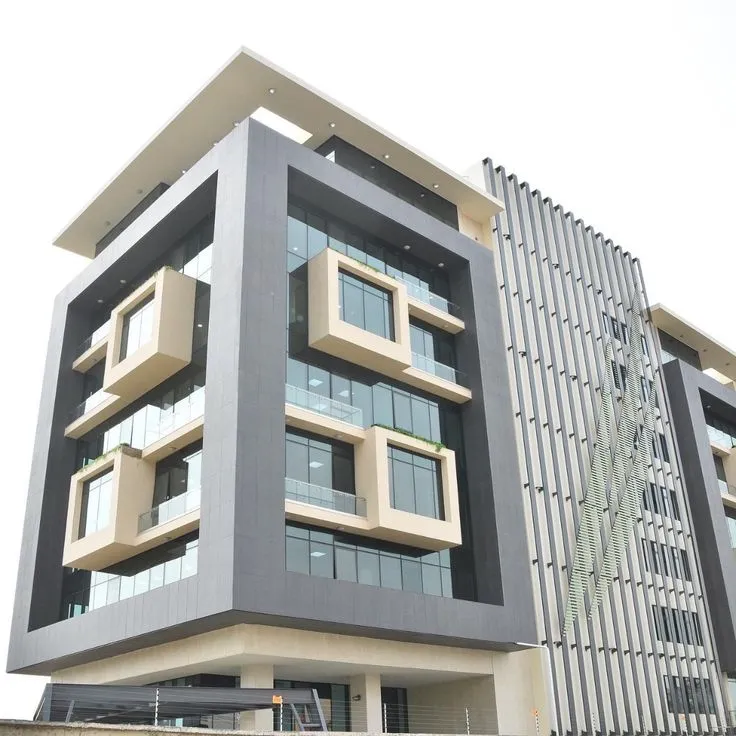
Image by Estate Intel on Pinterest
Future Trends
Looking ahead to 2026 and beyond, trends point to smarter Nigeria architecture. AI-driven simulations will fine-tune designs for rising sea levels in coastal areas. Modular builds using prefab traditional materials will speed up projects while staying green.
Imprexi’s leading the charge, with ongoing research into bio-materials that self-heal in humid conditions. It is exciting stuff for anyone building in Nigeria.
Wrapping Up Nigeria Architecture and Climate
In the end, Nigeria architecture is not just about bricks and beams; it is deeply tied to how climate shapes every decision for lasting, livable spaces. When local weather patterns are embraced, we create designs that save money, protect the environment, and feel right at home.
Ready to bring your vision to life? Chat with us at Imprexi today for tailored advice on climate-responsive builds.
Read More: For more on getting started, check out our post on Architectural Design Patterns: A Beginners Guide
FAQs
1. What makes Nigeria architecture unique in handling climate?
Nigeria architecture stands out by incorporating zone-specific features like thick walls for northern heat and elevated structures for southern floods, blending tradition with modern sustainability.
2. How can I find traditional Nigerian building materials for my home?
Brands like Imprexi supply quality options such as treated mud and bamboo, perfect for modern homes while respecting cultural roots and climate needs.
3. Why is climate-responsive design important in Nigeria Architecture?
It reduces energy costs, prevents weather damage, and improves comfort amid rising temperatures and rains, making buildings more resilient long-term.



1 Comment