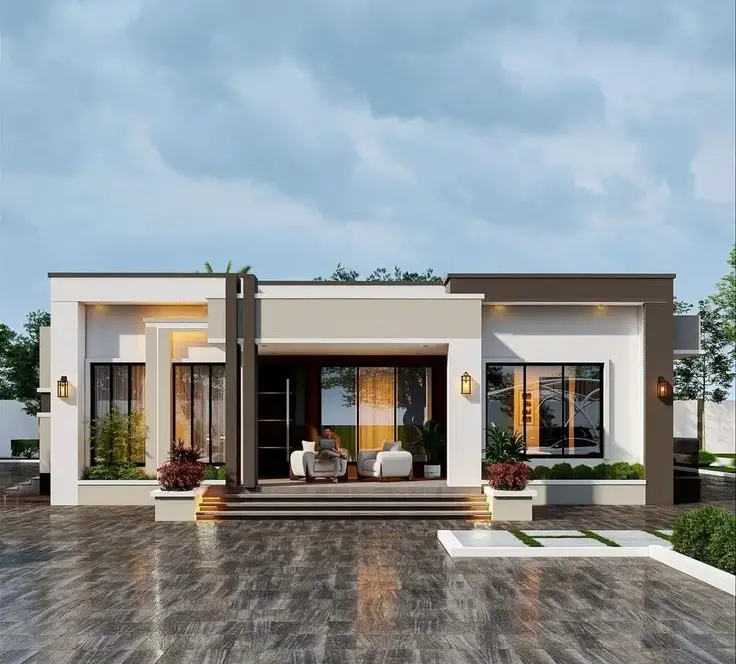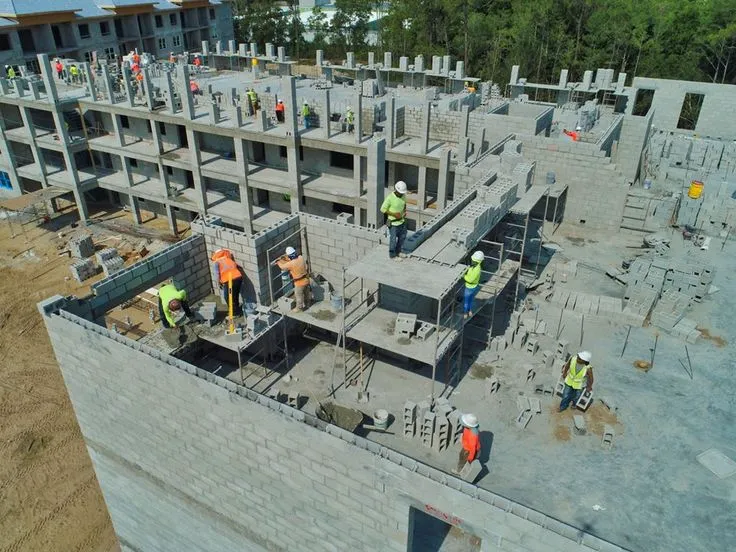
Image on Pinterest
Introduction
Are you a Nigerian in diaspora and thinking about starting a construction project back home, you’re in the right place. Building from afar can feel overwhelming, especially with stories of unfinished projects or unexpected demolitions floating around in diaspora groups. But understanding building codes in Nigeria is your first step to making sure everything goes smoothly. These codes set the rules for safe, durable structures, and they tie directly into getting permits approved.
In this guide, we’ll cover the basics of the National Building Code (NBC), key regulations, and how you can navigate permits without being on the ground. We’ll also touch on common challenges like fraud and delays, plus recent updates from 2025 that emphasize sustainability and safety. This info will help you plan with confidence.
Related Blogpost
Building Plans In Nigeria: Costs For Diaspora In 2026
How To Build Your Dream Homes In Nigeria: A Practical Guide
Nigeria Architecture: How Climate Shapes Your Design
Architecture In Nigeria: The Real Cost Breakdown
Ready to start? Reach out to Imprexi for a free consultation on your diaspora building needs. Our team handles everything from design to code adherence, so you can focus on what matters. Let’s build something great together.
What Are Building Codes in Nigeria?
Building codes are essentially the rulebook for construction in any country, and Nigeria is no exception. The main one here is the National Building Code of Nigeria, first introduced in 2006 by the federal government. It lays out minimum standards to ensure buildings are safe, functional, and able to withstand local conditions like heavy rains or earthquakes in some areas.
They are safeguard against poor workmanship. For instance, it covers everything from foundation strength to electrical wiring, helping prevent tragedies like building collapses, which have sadly made headlines too often. According to recent reports, over 500 structures collapsed between 2010 and 2023, often due to non-compliance.
The code draws inspiration from international standards, like those from the International Code Council, but it’s tailored to Nigeria’s unique environment. For diaspora folks like you, these codes matter because they affect your project’s approval and long-term value. If you’re in Houston or London, you might not see the day-to-day build, but sticking to the code means your property won’t face issues down the line. Plus, with Nigeria’s growing focus on green building, the code now pushes for energy-efficient designs to cut costs on utilities.
Key objectives of the NBC include:
- Promoting public safety and health. Ensuring structural integrity.
- Supporting accessibility for all, including people with disabilities.
- Encouraging sustainable practices, like using eco-friendly materials.
If you’re just starting your research, download the official NBC document from the Federal Ministry of Housing and Urban Development website for the full details. It’s a bit lengthy, but skimming the sections on design and construction will give you a solid foundation.
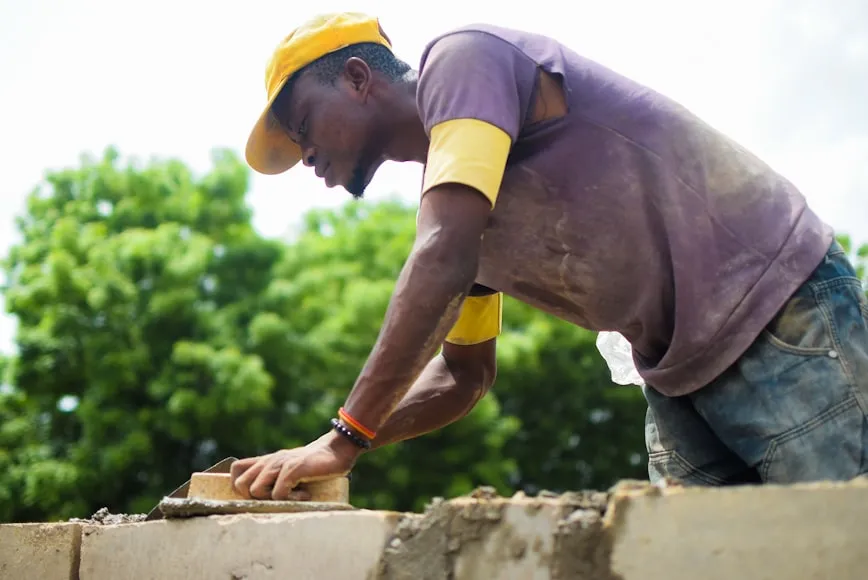
Image on Unsplash
Key Regulations and Standards in Building Codes in Nigeria
Now, let’s break down the core parts of the building codes and regulations in Nigeria. The building codes in Nigeria is divided into four main parts: administration, building types, materials and construction methods, and special requirements. Each section has specific standards to follow.
For example, under structural design, the code mandates that buildings must handle loads like wind or seismic activity. In coastal areas like Lagos, this means reinforced foundations to deal with flooding risks. Fire safety is another big one, requiring escape routes, fire-resistant materials, and sprinklers in larger structures. fmhud.
Here is a quick list of building codes in Nigeria highlights:
- Structural Standards: Covers beams, columns, and slabs to ensure stability.
- Fire Protection: Includes smoke detectors and fire exits.
- Plumbing and Sanitation: Rules for water supply and waste disposal.
- Electrical Installations: Guidelines from the Nigerian Electricity Regulatory Commission to prevent hazards.
- Accessibility: Ramps and wide doors for inclusive design.
State-level variations exist too. Lagos has its own Physical Planning and Building Control Regulations, which build on the national code but add stricter rules for high-rises. If your project is in Abuja, check the Federal Capital Territory’s guidelines. These building codes and standards in Nigeria aren’t just suggestions; ignoring them can lead to fines or forced demolitions.
Professionals like architects registered with the Architects Registration Council of Nigeria (ARCON) must sign off on plans to confirm compliance. As a diaspora investor, team up with vetted firms to handle this.
Building Codes in Nigeria: Understanding Permits and Step-by-Step for Diaspora Nigerians
Getting permits is where many projects hit snags, especially if you’re abroad. The process starts with land verification and ends with occupancy approval. Here’s how to tackle it remotely.
First, confirm your land title with a survey plan from a registered surveyor. This avoids disputes later. Then, submit architectural drawings that meet the building code in nigeria to the local planning authority, like LASPPPA in Lagos.
Step-by-step permit process from abroad:
- Step 1: Hire a trusted architect or firm in Nigeria to draft plans. Share your vision via video calls.
- Step 2: Get environmental impact assessments if needed for larger builds.
- Step 3: Submit documents online or via a proxy. Pay fees, which range from ₦50,000 to ₦500,000 depending on size.
- Step 4: Wait for inspections; use apps for virtual tours to monitor.
- Step 5: Receive your building permit, then start construction.
Recent 2025 updates make digital submissions easier, thanks to the new Building Code Advisory Committee. nannews.ng This group, inaugurated in August 2025, is reviewing the code for better enforcement and sustainability features like solar integration. For you in diaspora, this means fewer trips home.
Tools like AI-powered design software can help simulate compliance before submission. Just ensure your team uses registered professionals to avoid rejections.
Building Codes in Nigeria: Common Pain Points and How to Overcome Them
We’ve all heard the stories in WhatsApp groups: Funds vanishing, builds stalling, or codes ignored leading to costly fixes. As a professional in tech or finance abroad, you’re investing hard-earned money, so let’s address these head-on.
One major issue is fraud from unreliable agents. To counter this, vet firms through diaspora networks or platforms like LinkedIn. Look for companies with transparent tracking, like progress reports via apps.
Delays in permits are common due to bureaucracy. Solution? Start early and budget for potential hold-ups. Inflation in Nigeria can spike costs, so lock in material prices with contracts.
Tips to beat these challenges:
- Use escrow services for payments to release funds only on milestones.
- Install site cameras for real-time oversight.
- Partner with firms like Imprexi, who specialize in diaspora projects and ensure code compliance.
Emotional stress from family expectations? Focus on practical goals, like rental income potential. With the right plan, you can turn these hurdles into successes.
Building Codes in Nigeria: Compliance Best Practices and 2026 Updates
Staying compliant isn’t just about following rules; it’s about building something that lasts. Best practices include regular site audits and using quality materials certified under the NBC.
For 2026, expect more emphasis on green standards from the ongoing code review. The federal government approved new regulations in December 2025 to boost safety and professionalism. This includes tougher penalties for quackery and incentives for sustainable builds.
Quick best practices:
- Integrate smart tech for energy savings.
- Train your team on updated codes.
- Document everything for insurance purposes.
If you’re planning a legacy home, these updates will help your property appreciate over time. Check out related reads on our site, like Building Plans in Nigeria: Costs for Diaspora in 2026 for budgeting tips, or How to Build Your Dream Homes in Nigeria: A Practical Guide for more hands-on advice.
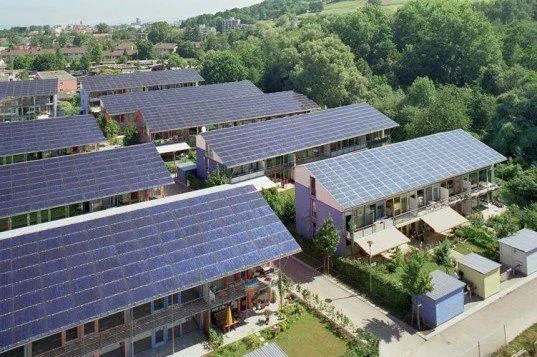
Image on Pinterest
Conclusion
Wrapping up, mastering building codes in Nigeria is key to a successful project from abroad. From the NBC’s safety standards to navigating remote permits, you’ve got the tools to avoid pitfalls and create a secure investment. Remember, compliance protects your family and boosts property value in the long run.
Ready to start? Reach out to Imprexi for a free consultation on your diaspora building needs. Our team handles everything from design to code adherence, so you can focus on what matters. Let’s build something great together.
Read More: Nigerian Modern Architectural Designs: Latest Trend
FAQs
1. What is the main building code in Nigeria?
The primary one is the National Building Code of Nigeria (NBC), established in 2006 and updated in 2025 for better safety and sustainability.
2. How do I apply for a building permit from abroad?
Hire a local proxy or firm to submit plans to authorities like LASPPPA. Use digital tools for submissions and track progress remotely.
3. What are the penalties for not following building codes in Nigeria?
You could face fines, demolitions, or legal action. Recent 2025 regulations strengthen enforcement to prevent such issues.