


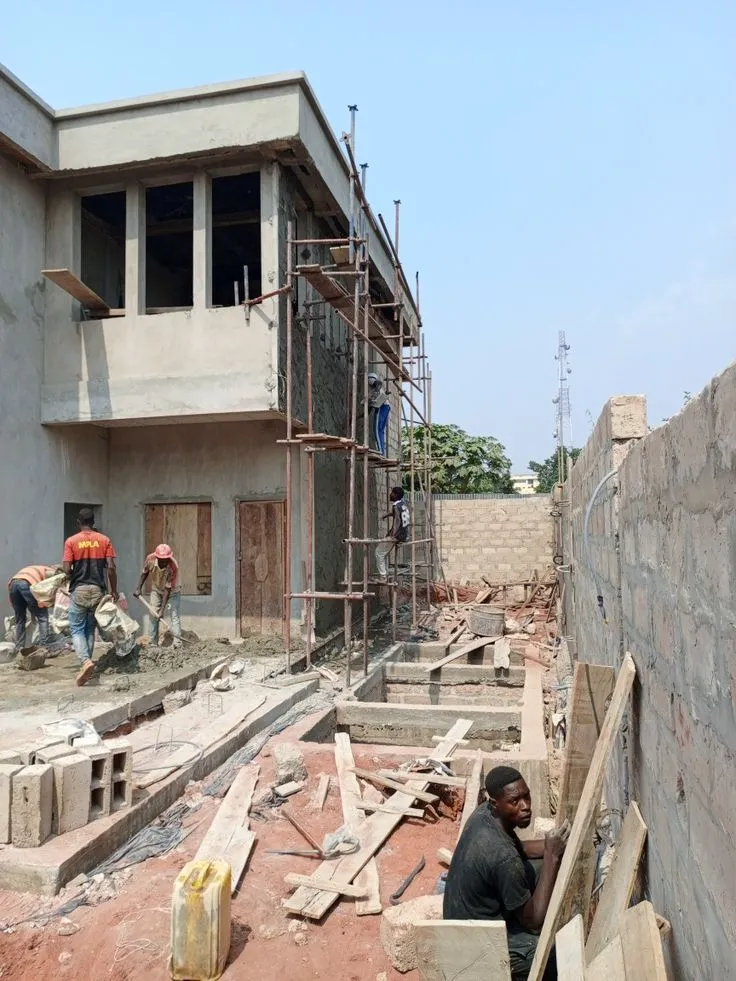
Image on Pinterest
Introduction
Are you a Nigerian living abroad, and thinking about building a home back home, you’re not alone. Many dream of creating a family legacy or rental property in Nigeria. But stories of construction scams can make it feel risky. In this post, we’ll cover real ways to stay safe while managing your project from afar. We’ll talk about common traps, red flags, and steps to protect your hard-earned money.
By the way, did you know that many remote building projects in Nigeria face delays or fraud issues? We’ll help you navigate this so you can build with confidence.
RELATED BLOG POST
Building Codes In Nigeria: Guide To Permits From Abroad
Building Plans In Nigeria: Costs For Diaspora In 2026
How To Build Your Dream Homes In Nigeria: A Practical Guide
Nigeria Architecture: How Climate Shapes Your Design
Ready to start? Contact Imprexi for a free consultation on diaspora building services to make your project smooth and scam-free.
Understanding Common Construction Scams in Nigeria
Let’s start with the basics. Construction scams happen when dishonest people take advantage of your distance from the project. These aren’t always big criminal rings; sometimes it’s opportunistic fraud from middlemen or even family members.
One frequent type is the “advance fee scam,” where contractors demand large upfront payments for materials that never arrive. Another is overinflating costs mid-project, leading to endless delays. Then there’s the Gypsy construction scams, where itinerant groups promise quick, cheap work but disappear after partial payment, leaving shoddy or unfinished jobs. This term comes from nomadic fraud patterns seen globally, but in Nigeria, it’s often tied to unverified crews moving between states.
Why are diaspora Nigerians prime targets? Your busy life abroad means less hands-on oversight, and scammers know that. They exploit trust in family referrals or online ads. Statistics show that diaspora investments in real estate hit roughly $5.8–8 billion annually, but a chunk gets lost to fraud.
To spot these early, watch for unrealistic low bids. A quote that’s 30% below market rate? That’s a classic red flag. Always cross-check with independent sources.
Highlight: Knowledge is your shield. Arm yourself with info from trusted sources to spot scams before they start.
Image on Pinterest
Key Pain Points for Remote Builders
As someone in the diaspora, you face unique challenges. You’re juggling a demanding job, family life, and time zone differences, all while trying to oversee a build thousands of miles away.
First, verification is tough. How do you confirm a contractor’s credentials without being there? Many fall for fake certificates or stolen identities.
Second, financial risks loom large. Wiring money internationally can lead to hidden fees or outright theft. Escrow services help, but not everyone uses them.
Third, site oversight is limited. Without regular visits, issues like poor materials or weather damage go unnoticed. Think about rainy seasons in Lagos causing foundation problems if not monitored.
Fourth, legal hurdles add stress. Getting a Certificate of Occupancy (C of O) or dealing with government land acquisitions remotely requires reliable local help. Stories on social media, like those in Nigerian diaspora groups on Facebook, highlight how one wrong move can cost everything.
Finally, emotional factors play in. Building for parents or extended family creates pressure to rush, which scammers love to exploit.
Highlight: Address these by planning ahead. Start with small milestones and payments to build trust gradually.
Step-by-Step Tips to Avoid Construction Scams
Now, let’s get practical. Here’s how you can protect yourself and make remote building smoother. We will break it down into clear steps.
Step 1: Do Thorough Research Before Starting
Begin with contractor research. Use platforms like the Corporate Affairs Commission (CAC) website to verify company registration. Search for reviews on LinkedIn or diaspora forums.
Ask for references from past clients, preferably other diaspora folks. If they hesitate, walk away. Also, check for membership in bodies like the Nigerian Society of Engineers.
Pro Tip: Join WhatsApp groups for Nigerians in your city, like “Nigerians in Atlanta.” They often share trusted firm recommendations.
Highlight: Research pays off. Spending time upfront can save you thousands later.
Step 2: Spot Red Flags Early
Be alert to signs of trouble. No written contract? Huge no. Insistence on cash only? Suspicious. Vague timelines or changing quotes mid-conversation? Run.
For Gypsy construction scams, watch for teams without a fixed office or those pushing for immediate starts. Always insist on site visits via video calls first.
Highlight: Use checklists. Create one with items like “valid ID,” “insurance proof,” and “sample work photos.” This keeps things objective.
Step 3: Use Technology for Remote Monitoring
Tech is your best friend here. Install site cameras or hire drone services for aerial views. Apps like Doxel or OpenSpace let you track progress in real time.
For example, schedule weekly video updates via Zoom. Some firms even use AI tools to detect anomalies in quotes or documents.
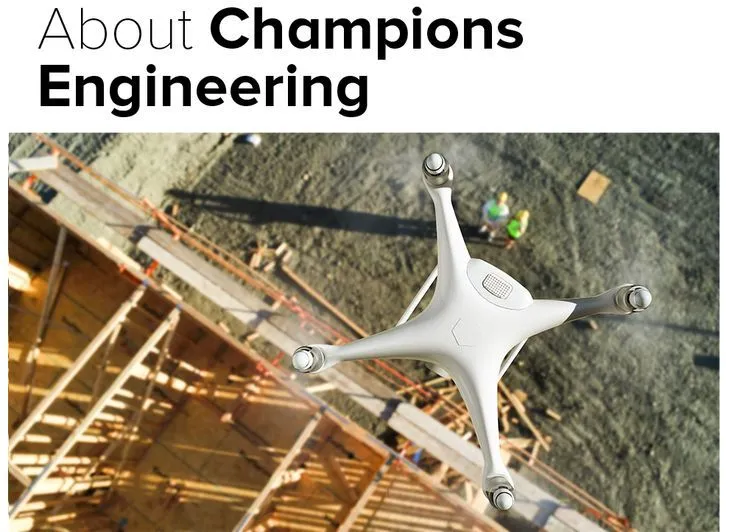
Image on Pinterest
Pro Tip: For more on handling permits remotely, check out this guide on building codes in Nigeria for diaspora. It ties right into avoiding legal scams during your project.
Highlight: Tech bridges the gap. Tools like these make distance less of an issue.
Step 4: Secure Your Finances and Legal Side
Always use escrow accounts for payments, releasing funds only after milestones. Services like Paystack work well for international transfers.
Hire a local lawyer early. They can handle land title checks and contracts. For diaspora, firms specializing in overseas clients are ideal.
Highlight: Budget for extras. Set aside 10-15% for unexpected costs, but never pay in full upfront.
Step 5: Build a Support Network
Don’t go solo. Partner with reputable project managers who act as your eyes on the ground. Many diaspora-focused companies offer this.
Stay connected through apps like WhatsApp for daily updates. And remember, patience is key; good builds take time.
Pro Tip: Get inspired by practical steps in this article on how to build your dream home in Nigeria. It’s packed with tips that complement scam prevention.
Highlight: Networks matter. Lean on trusted people to keep things on track.

Image on Pinterest
Wrapping Up: Stay Safe from Construction Scams
In summary, avoiding construction scams in Nigeria while building remotely comes down to research, tech, and trusted partners. By spotting red flags, using tools, and securing finances, you can turn your dream home into reality without the headaches.
Ready to start? Contact Imprexi for a free consultation on diaspora building services to make your project smooth and scam-free.
READ MORE: Building Plans In Nigeria: Costs For Diaspora In 2026
FAQ
1. What are the most common construction scams in Nigeria?
Common ones include advance fee fraud, overinflated costs, and abandonment after partial work. Gypsy construction scams involve itinerant teams that disappear. Always verify credentials to stay safe.
2. How can I monitor my building project remotely from abroad?
Use site cameras, drone footage, and apps like OpenSpace for real-time updates. Schedule video calls and hire local managers for on-ground checks.
3. What legal documents do I need for remote building in Nigeria?
Key ones are the Certificate of Occupancy (C of O), building permits, and registered contracts. Work with a lawyer to handle these from afar.

2 Comments