Image on Pinterest
Introduction
Are you a Nigerian in the diaspora dreaming of building a cozy family home back in remote parts of Nigeria, you are in the right spot. Passive cooling techniques are all about using smart design to keep homes cool without relying on expensive AC units or unreliable power. These methods tap into natural elements like wind, shade, and materials to fight off that intense tropical heat.
Nigeria’s hot climates can push indoor temps to uncomfortable levels, but with the right approach, you can drop those by around 2.2°C on average, according to studies. Plus, they can slash energy use for cooling by 29% or more. That’s a big win for your wallet and the planet. In this guide, we will cover everything from basics to real-world tips tailored for remote builds, where grid access might be spotty.
Passive cooling, by definition, means designs that reduce heat gain and promote natural airflow without mechanical help. Stats show that in hot dry areas like Northern Nigeria, these can cut energy consumption by 40% to 60%. We’ll link this to practical steps for your project, drawing from credible sources like ResearchGate and MDPI.
Related Blogpost
Nigeria Architecture: How Climate Shapes Your Design
Architectural Design Patterns: A beginners Guide
Nigerian Modern Architectural Designs: latest Trend
Sustainable Nigeria Architecture Design: 2025 Trends
Ready to start? Contact Imprexi for a free consult on sustainable designs tailored to your vision.
Why Passive Cooling Techniques for Remote Nigerian Homes?
Let’s talk about why passive cooling techniques matters for you. As a professional abroad, you’re likely building for parents, kids, or even rental income. Remote Nigerian spots often deal with extreme heat; up to 40°C in the North, humid 30°C+ in the South. Without steady electricity, AC isn’t reliable, and bills can eat into your investment.
Key benefits include:
- Energy savings: Research in hot climates shows passive methods can reduce cooling loads by 31% and overall energy by 29%. In Nigeria, this translates to 20-44% less demand on generators or solar setups.
- Comfort boost: Drop indoor temps by 2-3°C, making homes livable without fans running.
- Cost efficiency: Upfront additions like insulation might add 10-20% to build costs, but payback comes quick through lower maintenance.
- Sustainability: Aligns with Nigeria’s push for green building codes, reducing carbon emissions by up to 28%.
Diaspora folks like you worry about fraud, delays, and poor execution. Passive designs help by using local materials, cutting reliance on imported tech. For instance, in Lagos, green walls can cool indoors by 2.3°C.
Consult Imprexi for seamless builds.
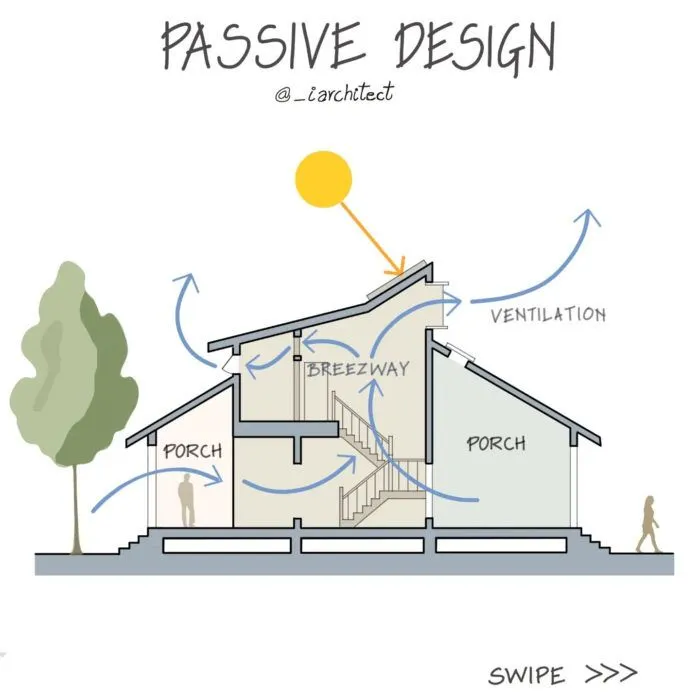
Image on Pinterest
Core Passive Cooling Techniques for Your Home
Now, let’s get into the practical stuff. These are proven methods adapted for Nigeria’s climates. Focus on passive cooling techniques in at least one subheading? Got it right here.
Building Orientation and Form
Start with how your home faces the sun and wind. In Nigeria, aim for a north-south orientation to catch breezes and minimize east-west sun exposure. This can reduce heat gain by 20-30%.
Tips for remote builds:
- Elongate the house east-west for better shade.
- Use site analysis to avoid hot spots; tools like Google Earth help from abroad.
- Stats: Proper orientation cuts cooling needs by 10-15% in tropical savanna zones.
Natural Ventilation Strategies
Passive cooling for homes shines with airflow. Cross-ventilation pulls in cool air through windows on opposite sides, dropping temps by 2-3°C.
How to apply:
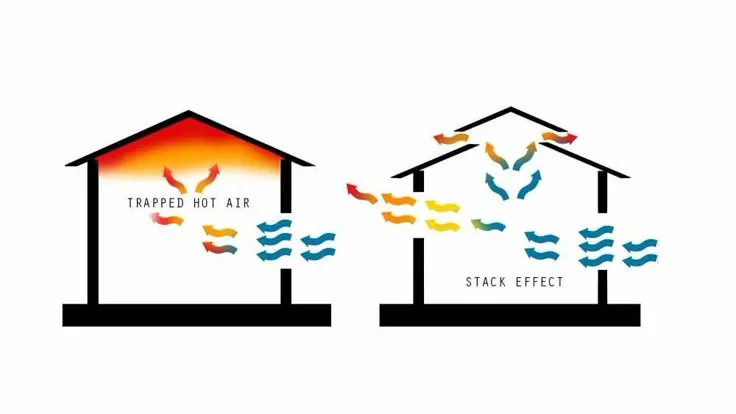
- Install vents high and low for stack effect (hot air rises out).
- In humid South, combine with dehumidifiers if needed.
- Example: In Abuja, this boosts comfort by 19.5%. Bio-mimicry like termite mound designs inspire efficient vents.
Shading and Overhangs
Block the sun before it hits. Eaves, verandas, or trees can shade windows, reducing indoor heat by 8.5-19.5%.
Practical ideas:
- Use adjustable louvers for flexibility.
- In remote areas, plant native trees for natural shade.
Materials and Thermal Mass
Choose stuff that absorbs and releases heat slowly. Mud bricks or earthbags in Northern Nigeria keep homes 2-5°C cooler.
Selections for Nigeria:
- Insulate roofs with local fibers; saves 37.9% on cooling in Maiduguri.
- Avoid dark roofs; go reflective for 4-6°C drops.
- For modern twists, blend with Imprexi’s renovation services.
Evaporative and Other Methods
In dry areas, use water features or porous walls for cooling. Combine for 30-50% energy cuts.
Case studies:
- Gombe State University faculty used these for 25% load reduction.
- In Burkina Faso-inspired designs, similar to Nigerian rural homes.
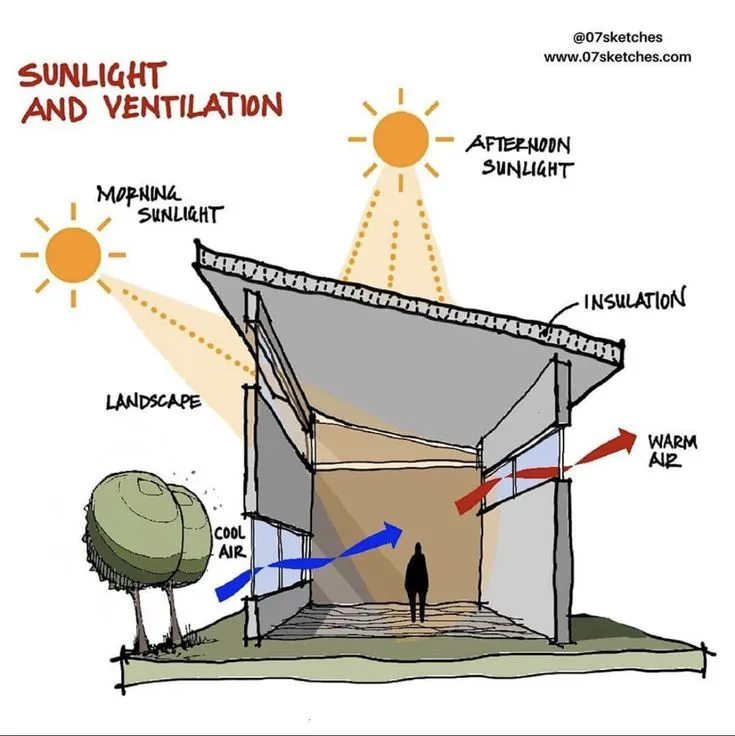
Image on Pinterest
Implementation for Diaspora Builders
Building from diaspora? Here’s how to make passive cooling techniques work without headaches.
Step-by-step plan:
- Research phase: Use climate tools for your plot’s zone.
- Design with pros: Partner with Imprexi for fraud-free execution.
- Cost breakdown: Add $10K-50K for features, but save 20-30% on energy long-term.
- Remote monitoring: Apps and drones verify work; avoid abandonment stories.
Conclusion
Wrapping up, passive cooling techniques are a smart choice for remote Nigerian homes, offering comfort, savings, and legacy value. When you integrate all these, you can build a space that’s cool, efficient, and ready for family or renters.
Ready to start? Contact Imprexi for a free consult on sustainable designs tailored to your vision.
Read More: Check out our services
FAQs
1. What are the best passive cooling techniques for humid Nigerian climates?
In humid areas like the South, focus on cross-ventilation and shading to reduce moisture buildup, potentially cutting discomfort by 19.5%.
2. How much can passive cooling techniques save on energy bills in remote homes?
Expect 29-40% savings, with insulation and reflective materials reducing cooling loads by up to 37.9% in places like Maiduguri.
3. Are passive cooling techniques suitable for modern Nigerian home designs?
Yes, blend it with contemporary looks using mud bricks.