


Image on Pinterest
Introduction
Are you a Nigerian in Diaspora, and thinking about building a home back home, you know it’s not just about bricks and dreams. It’s about making sure your hard-earned money flows right without getting stuck in delays or surprises. Many in your position send over $20 billion in remittances each year, often toward property projects. But with stories of unfinished builds and lost funds, it’s smart to focus on structured approaches. This guide walks you through cash flow management tailored for diaspora folks like you, breaking down how phased building can help you stay in control.
Related Blog Post
Building Plans In Nigeria: Costs For Diaspora In 2026
Avoid Construction Scams: Remote Building Tips In Nigeria
How To Build Your Dream Homes In Nigeria: A Practical Guide
Building Codes In Nigeria: Guide To Permits From Abroad
Ready to start? Book a free consultation with Imprexi to map your project today.
Understanding Cash Flow Management in Diaspora Building
Let us start with the basics. Cash flow definition in construction refers to the movement of money coming in and going out during a project. For you as a diaspora investor, this means balancing your remittances or savings against costs like materials, labor, and unexpected fees. Positive cash flow keeps things moving; negative can halt everything.
In Nigeria, where currency changes and inflation hit hard, managing cash flow gets tricky. About 70% of diaspora Nigerians maintain financial ties back home, often through investments like homes. But without clear tracking, you might face overruns. Think of it as your project’s heartbeat: steady inflows from your abroad income matching phased outflows for building stages.
Common issues? Delays in payments or rising material costs can turn a smooth plan into stress. That is why starting with a solid grasp helps you spot risks early.
Cash Flow Management: User Pain Points and Solutions
You might have heard the stories: a friend starts building, sends chunks of money, and then poof, delays or worse, fraud eats it up. Fraud in Nigerian construction affects many diaspora projects, with scams relying on distance to trick investors. One big pain is mismatched cash flow, where your salary abroad doesn’t align with sudden builder demands.
Another is the lack of oversight. Living thousands of miles away, it’s hard to check progress, leading to abandonment rates as high as 30-50% in some cases. Then there’s FX volatility: your dollars or pounds lose value against the naira mid-project.
Solutions:
- start simple.
- Break projects into phases to spread costs.
- Use contracts with milestones tied to payments.
- And always verify land titles early to avoid disputes.
Tools like checklists for contractors can cut risks. For more on picking reliable pros, check out our post on How to Choose an Architect for Home Building Dream Abroad. It covers key questions to ask from afar.
Emotional strains hit too, like building for parents or kids while juggling family life abroad. Address this by setting clear budgets upfront, factoring in buffers for inflation.

Image on Pinterest
Cash flow Management: Phased Building Strategies
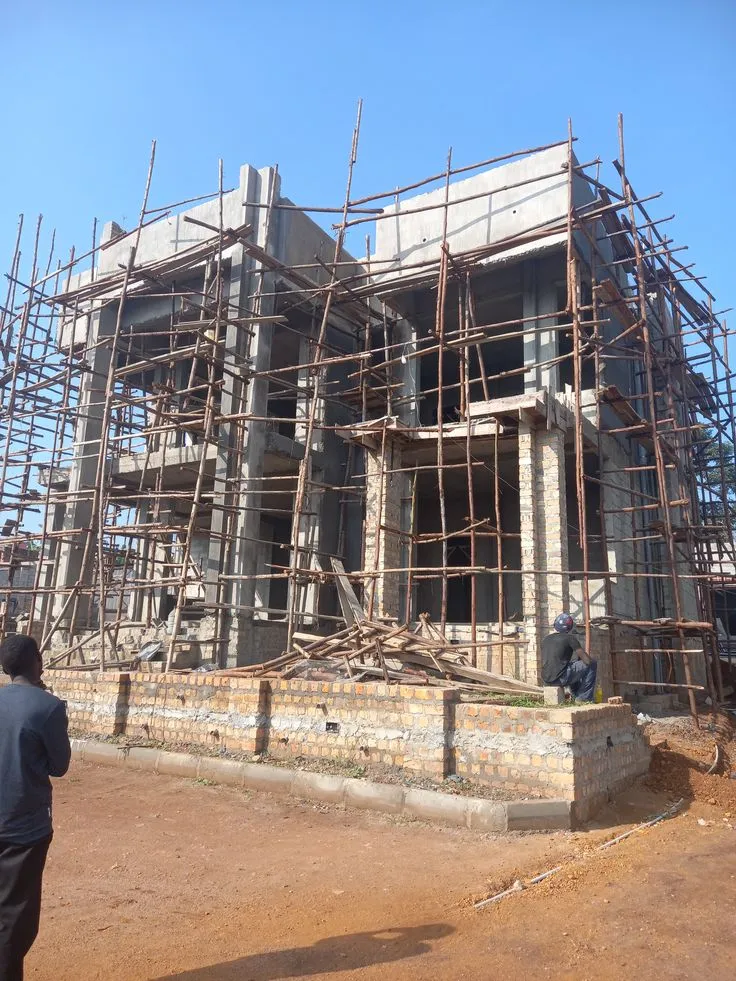
Phased building strategies make sense for you because they let you control outflows. Instead of dumping all funds at once, divide into stages: foundation, structure, roofing, finishing, and handover. This way, you pay as you see progress, reducing fraud risks.
- Stage 1: Planning and Foundation. Allocate 20-25% here. Get designs approved and start ground work. From abroad, use video calls for updates.
- Stage 2: Structure and Walls. 30% budget. This builds the frame. Tie payments to photos or third-party inspections.
- Stage 3: Roofing and Exteriors. Another 20%. Weatherproofing is key in Nigeria’s climate.
- Stage 4: Interiors and Finishing. 15-20%. Add plumbing, wiring.
- Stage 5: Final Touches and Rental Setup. Last 10%. Inspect fully before final pay.
This approach matches your cash flow: send money in sync with your paychecks or remittances. Plus, it allows pauses if needed, like during economic dips. For diaspora-specific tips, our Avoid Construction Scams: Remote Building Tips in Nigeria shares red flags to watch.
Keep records tight. Use apps for tracking, and always have a 10-15% contingency fund.
Cash Flow Management Software Recommendations
How to manage cash flow gets easier with the right tools. Cash flow management software helps forecast, track, and alert you to issues. For construction, look for ones that handle phased payments and integrate with banks.
Here are top picks:
- Cash Flow Frog: Great for small projects. It predicts cash needs based on your inputs, perfect for diaspora tracking from apps.
- Kyriba: More advanced, with real-time FX monitoring. Handles large investments like your $50K+ builds.
- Rabbet: Tailored for construction, automates draw requests and projections.
- Sage 100 Contractor: Includes job costing and payroll, linking to Nigerian vendors.
Start with free trials. Input your phased plan, and it shows potential shortfalls. Many sync with QuickBooks for remittances. This beats spreadsheets, giving you peace of mind abroad.
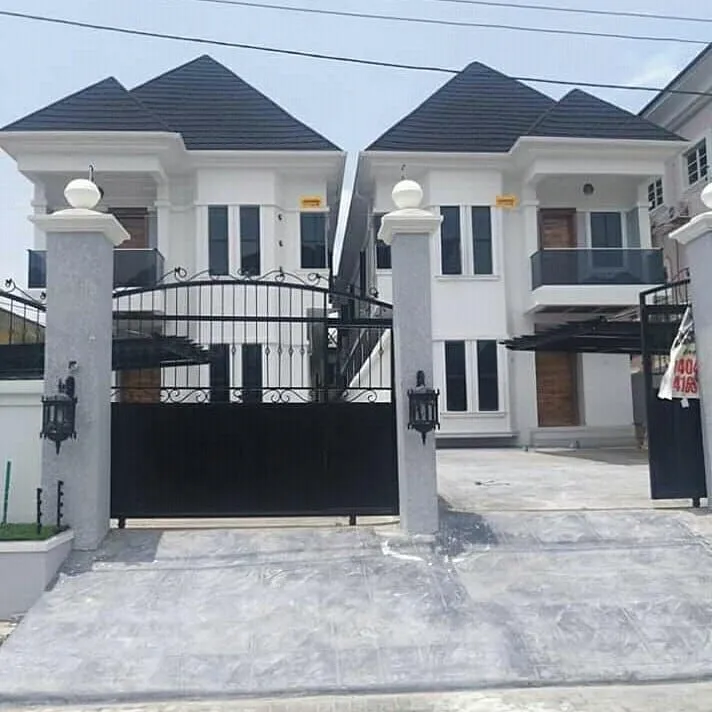
Image on Pinterest
Conclusion
Cash flow management is key to successful phased building for Nigerians in diaspora. When you break projects into manageable stages, using smart software, and staying vigilant on fraud, you can build securely and generate income like rentals. It’s about turning your abroad success into lasting roots back home.
Ready to start? Book a free consultation with Imprexi to map your project today.
FAQ
1. What is the best way to start managing cash flow for a diaspora building project?
Begin with a detailed budget breakdown by phases, then use software to track inflows and outflows. Include a buffer for FX changes.
2. How can I avoid fraud in Nigerian construction from abroad?
Choose verified contractors, use milestone payments, and hire independent inspectors. Check references and land docs thoroughly.
3. What cash flow management software is free for beginners?
Tools like Cash Flow Frog offer free trials. For basics, even Google Sheets works, but upgrade for forecasts.
Read More: How To Build Your Dream Homes In Nigeria: A Practical Guide



5 Comments
Diana
Hello there! This is kind of off topic but I need some advice from an established blog.
Is it difficult to set up your own blog? I’m not very techincal but I can figure
things out pretty quick. I’m thinking about making my own but I’m not sure where to begin. Do you
have any points or suggestions? Cheers
Maxwell Anuma
Hi Diana.
Thanks for reaching out.
First, for non-technical folks like you, I advise you use Jetpack, as it’s fused into WordPress already, and easy to use, either on mobile or website.
Thank you