


Image on Pinterest
Introduction
Nigeria holds one of the richest cultural heritages on the continent with over 250 ethnic groups each contributing unique building practices passed down through generations. As building designers in Nigeria or working on projects here you face a clear choice, you can create standard structures that meet basic requirements or you can craft spaces that tell stories reflect Nigerian culture, local identity and stand out for the right reasons.
This guide shows exactly how to include Nigerian culture elements in your design brief the practical way. You get tribe specific details ready to use language for client documents and tools that keep everything respectful and effective. These steps help you deliver work clients love and communities connect with.
Related BlogPosts
TOP 10 ANCIENT LANDMARKS: TRADITIONAL ARCHITECTURE IN NIGERIA
NIGERIA ARCHITECTURE: HOW CLIMATE SHAPES YOUR DESIGN
SUSTAINABLE NIGERIA ARCHITECTURE DESIGN: 2025 TRENDS
NIGERIAN MODERN ARCHITECTURAL DESIGNS: LATEST TREND
Ready to bring authentic Nigerian traditions into your next design brief? Book a consultation with the Imprexi team today. We specialise in thoughtful building design that honours Nigeria culture while delivering modern results.
Understanding the Foundations of Nigerian Traditions in Architecture
Nigeria culture features three major ethnic groups that shape building styles across regions.
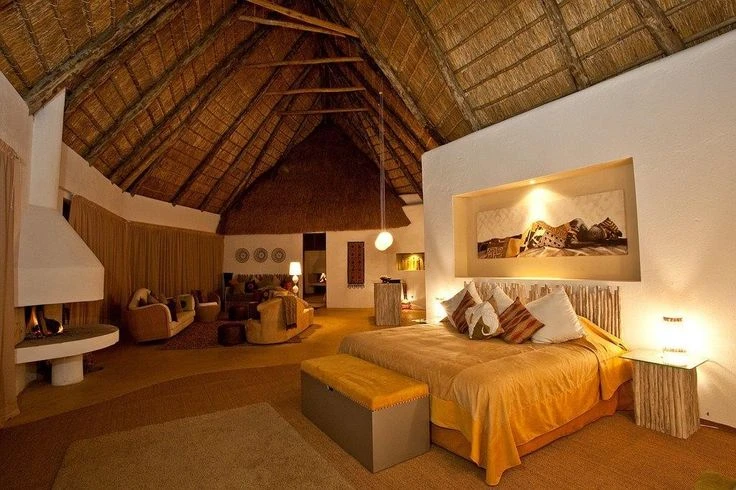
Yoruba influences include courtyard layouts carved wooden details and high pitched roofs that signal status. These elements promote family gatherings and natural ventilation.
Igbo approaches use open plans uli inspired wall patterns and thatch or metal roofs suited to hilly areas. The focus stays on community flow and practical family spaces.
Hausa Fulani features bring flat roofs decorative motifs thick walls for temperature control and arched entrances. These work well in northern climates.
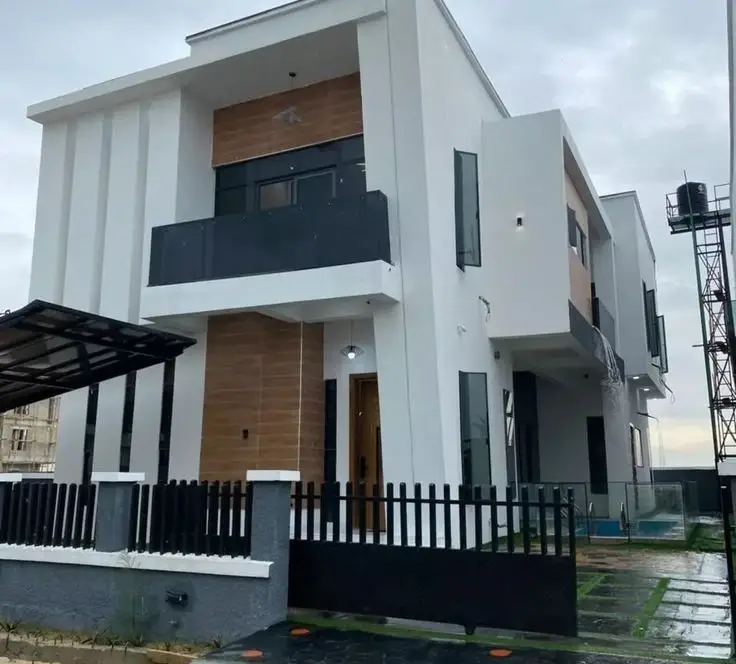
Modern projects combine these with current needs such as energy efficiency and larger room sizes.
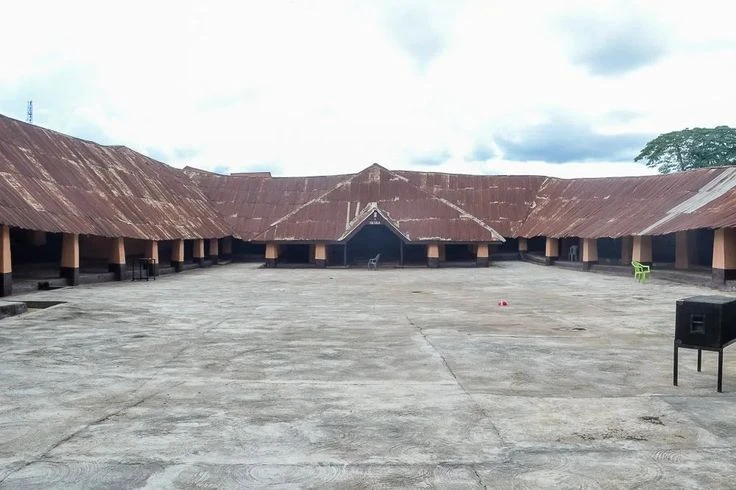
Image on Pinterest
Step by Step Process to Add Nigerian Culture to Your Design Brief
Follow these four steps every time.
- Start with client conversation. Ask about family background preferred regions and specific traditions they value.
- Research the exact elements. Note meanings of patterns colors and layouts to avoid mistakes.
- Choose three to five features that fit the site budget and function.
- Document everything in the brief with clear reasons and visual references.
This method keeps the process organised and professional.
Tribe Specific Design Elements Cheat Sheet for Building Projects
Yoruba
- Central courtyards for family interaction.
- Geometric wall patterns or carved motifs on columns.
- Earth tones with accents of indigo from adire cloth inspiration.
Igbo
- Open living areas that connect generations.
- Nature based wall decorations adapted as subtle textures.
- Sloped roofs for rain management.
Hausa
- Perforated walls for light and air flow. Intricate entrance designs.
- Thick mud style walls recreated with modern blocks for insulation.
Use these in facades interiors or landscaping.
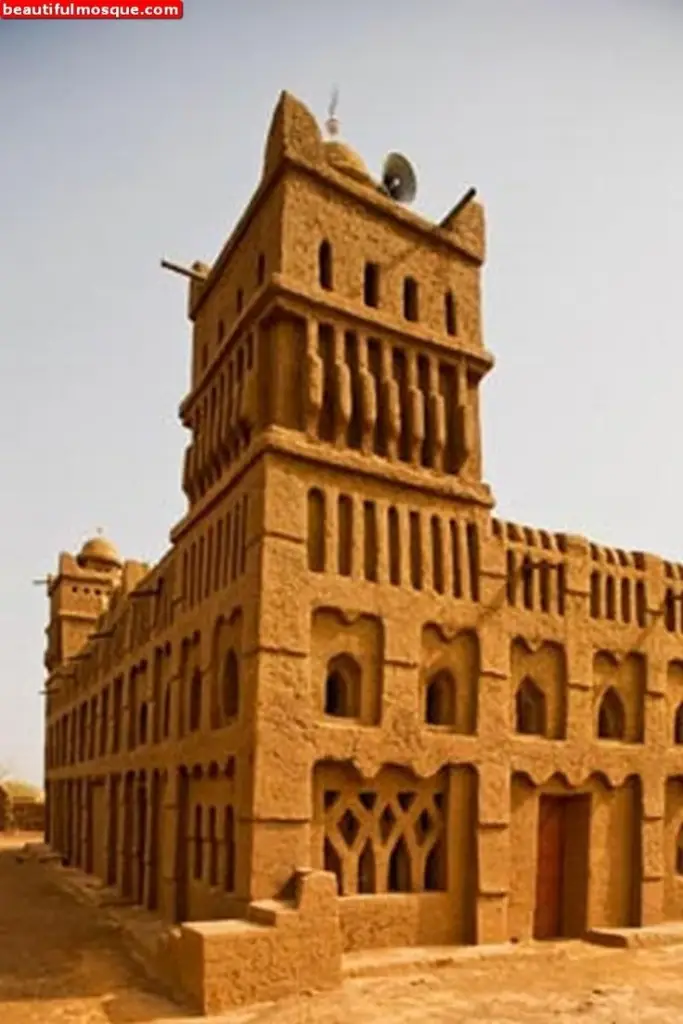
Image by Pinterest
How to Write Nigerian Culture Elements Directly into the Design Brief
Copy and adapt these sections for your documents.
Section Example
Cultural Integration: The design will incorporate Yoruba courtyard principles to create a central family space of 8 metres by 6 metres. Wall patterns will draw from traditional motifs using laser cut concrete screens for privacy and ventilation. All choices respect original meanings and involve local artisans where possible.
Add a visual appendix with reference photos and notes on sourcing.
Common Challenges and How to Handle Them Respectfully
Many designers worry about using symbols incorrectly. The solution is simple, consult community elders or cultural experts early. For document sources, focus on inspiration rather than exact copies of sacred items.
This approach builds trust and avoids issues with clients or regulators.
Ready to Use AI Prompts for Culturally Accurate Ideas
Feed these into your preferred tool.
- “Generate a modern residential floor plan for Abuja that includes a Yoruba inspired courtyard and Hausa ventilation features using sustainable local materials.”
- “Create facade options for a Lagos office building incorporating subtle Igbo uli patterns in the cladding.”
- “Suggest interior colour schemes based on Nigerian culture elements from three ethnic groups with hex codes and application notes.”
Review every output against real references.
Conclusion
Nigerian culture adds depth meaning and lasting appeal to any building project. By following the steps and examples in this guide you create structures that clients remember and communities celebrate.
Ready to bring authentic Nigerian traditions into your next design brief? Book a consultation with the Imprexi team today. We specialise in thoughtful building design that honours Nigeria culture while delivering modern results.
Read More: NIGERIA ARCHITECTURE: HOW CLIMATE SHAPES YOUR DESIGN
FAQ
1. How many ethnic groups influence building styles in Nigerian culture?
Nigeria has more than 250 ethnic groups but the three largest Yoruba Igbo and Hausa provide the most widely adapted elements for contemporary projects.
2. Can I use traditional patterns in modern commercial buildings without issues?
Yes when you select non sacred motifs document their origins and adapt them thoughtfully for the new context.
3. What is the best way to explain cultural elements to international clients?
Use simple descriptions of benefits such as improved ventilation family flow or local pride then support with photos and references.

3 Comments
Marilynn
What’s up to all, how is everything, I think every one is getting more from this web page,
and your views are fastidious designed for new viewers.
Maxwell Anuma
Thank you Marilyn