


Mosque architecture in Nigeria during Ramadan 2026 features a mix of traditional Sudano-Sahelian mud builds and contemporary Ottoman styles, with key elements such as minarets, domes, and eco-friendly materials. Standout sites include Abuja National Mosque with its shining gold domes and Ilorin Central Mosque with arched entries, creating perfect settings for taraweeh prayers and iftars throughout Ramadan, which spans February 18 to March 19.
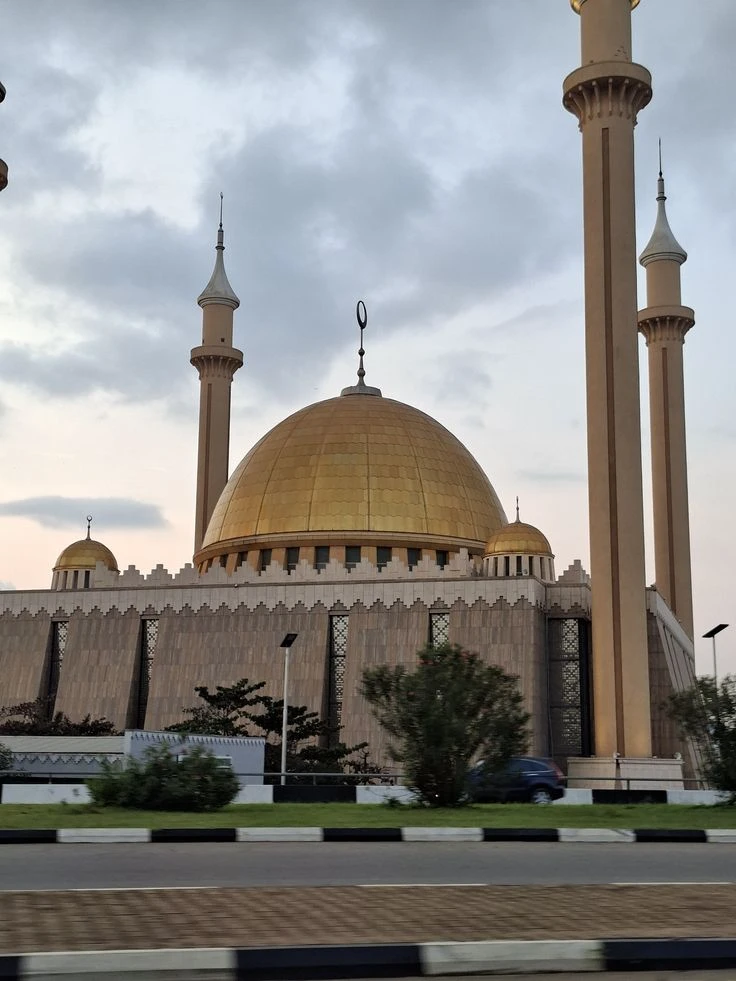
Image on Pinterest
Introduction
With Ramadan 2026 underway since February 18, many people across Nigeria are finding new ways to celebrate the holy month. Mosque architecture in Nigeria stands out as a fascinating topic right now, blending deep historical roots with fresh modern touches. These mosques serve as more than worship spots; they represent our shared cultural story and provide peaceful havens for reflection during Ramadan.
Understanding mosque architecture in Nigeria can add a special layer to your Ramadan 2026 observances. Join us as we walk through the history, differences in styles, famous examples, how Ramadan 2026 brings them to life, and even sustainability aspects. By the end, you’ll have practical ideas for making the most of mosque visits this Ramadan.
Related BlogPosts
HOW TO INCORPORATE NIGERIAN CULTURE IN BUILDING DESIGN BRIEFS
WHY SUSTAINABLE DESIGN IS OFTEN GREENWASHING: DIASPORA GUIDE NIGERIA 2026
PASSIVE COOLING TECHNIQUES: REMOTE NIGERIAN HOMES DESIGN
If this sparks ideas for your own space, reach out to Imprexi for a consultation to craft something truly special.
What Is the History of Mosque Architecture in Nigeria?
Nigerian mosque architecture evolved from 19th-century mud structures influenced by Sudano-Sahelian styles to modern Ottoman-inspired designs, blending Yoruba, Hausa, and Afro-Brazilian elements for cultural uniqueness.
The story begins in northern Nigeria, where Islam spread through trade routes starting around the 11th century. Early mosques relied on local mud and thatch, forming basic yet practical spaces that suited the climate. As time passed, North African and Middle Eastern ideas brought in taller minarets and rounded domes.
In southern regions during the 19th century, returned slaves from Brazil introduced vibrant Afro-Brazilian flair, seen in colorful tiles and detailed patterns. This rich history comes alive especially during Ramadan 2026, when communities gather in these mosques for prayers and meals. Take the Great Mosque of Kano as an example; its thick mud walls echo centuries of Hausa tradition.
For anyone planning to explore mosque architecture in Nigeria this Ramadan 2026, starting with historical sites offers a grounded perspective. If blending local culture into new builds interests you, we shared great advice in our article on how to incorporate Nigerian culture in building design briefs.
Think about how these old techniques could inspire your own projects during Ramadan 2026. Over the years, mosque architecture in Nigeria has adapted to social changes, making it relevant for today’s Ramadan 2026 celebrations. Visitors often note how these historical elements foster a sense of continuity amid the fasting and feasting of Ramadan 2026.
Key Historical Milestones in Mosque Architecture in Nigeria:
- 11th to 14th centuries: Early mud mosques shaped by trans-Saharan trade influences.
- 19th century: Rise of Afro-Brazilian styles in southern mosques, like Shitta Bey in Lagos.
- 20th century: Introduction of modern features in landmarks such as Abuja National Mosque.
- Present day: Continued evolution, tying into seasonal events like Ramadan 2026.
How Do Traditional vs Modern Nigerian Mosques Differ?
Traditional mosques use local mud and laterite for simple, sustainable forms; modern ones incorporate concrete, domes, and minarets like in Ilorin Central, emphasizing grandeur and community spaces. Traditional designs focus on blending with nature, using earthy materials that provide natural cooling in Nigeria’s warm weather. These mosques often have low profiles and open areas for group activities, ideal for intimate gatherings during Ramadan 2026.
Modern mosques, however, bring in materials like marble and glass for a more polished look, with features that accommodate larger crowds. For instance, during Ramadan 2026, modern sites handle the influx of worshippers for taraweeh with ease. This difference highlights the dynamic nature of architecture in Nigeria, where old meets new seamlessly.
If sustainability in design catches your eye, especially for Ramadan 2026 inspired builds, our post on passive cooling techniques in remote Nigerian homes design explains how traditional methods can apply today.
Imagine applying these ideas to enhance your experience of mosque architecture in Nigeria this Ramadan 2026. Traditional mosques remind us of humble beginnings, while modern ones symbolize progress, both enriching Ramadan 2026 visits.
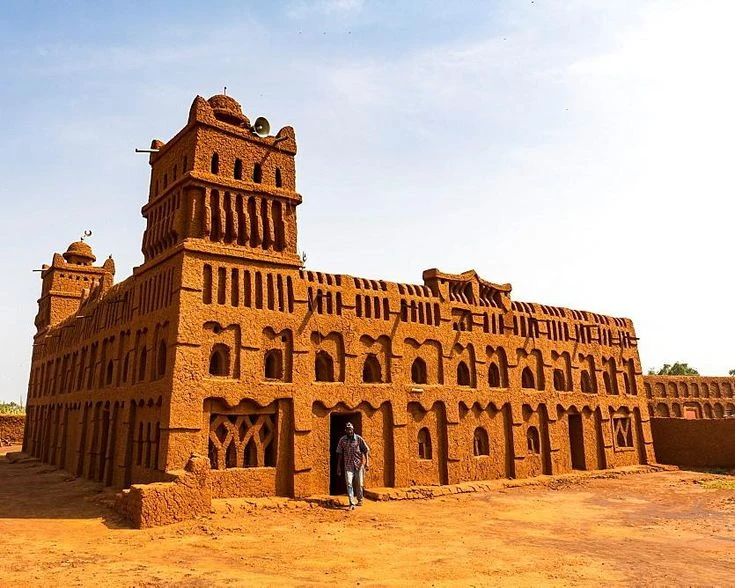
Image on Pinterest
What Are Famous Examples of Mosque Architecture in Nigeria?
Highlights include Abuja National Mosque with gold domes, Ilorin Central’s Ottoman style, and Abijo’s laterite innovation, each showcasing regional influences for Ramadan gatherings.
The Abuja National Mosque, completed in 1984, stands tall with its four minarets and expansive dome, serving as a national symbol that buzzes with activity during Ramadan 2026. Its gold accents gleam under lights, drawing people for collective prayers.
Ilorin Central Mosque, updated in the 1980s, features elegant arches and detailed tile work inspired by Ottoman traditions, making it a favorite for locals during Ramadan 2026.
In Lagos, the Central Mosque impresses with its green dome and central location, blending into the urban vibe. Then there’s Abijo Mosque, a newer build that uses local laterite for a fresh take on sustainability.
These examples make exploring mosque architecture in Nigeria during Ramadan 2026 an unforgettable adventure. Each site offers unique photo opportunities and moments of peace amid the holy month’s routines. For those in the diaspora planning trips for Ramadan 2026, these mosques provide cultural anchors.
Top Features to Notice in Nigerian Mosques During Ramadan 2026:
- Minarets that echo the call to prayer across neighborhoods.
- Domes that create acoustic wonders for recitations.
- Courtyards bustling with iftar preparations.
- Ornate entrances welcoming visitors throughout Ramadan 2026.
How Does Ramadan 2026 Enhance Mosque Visits in Nigeria?
During Ramadan 2026, mosques host taraweeh prayers and iftars, making sites like Kano Central ideal for spiritual immersion and architectural appreciation. The holy month transforms these spaces: evening illuminations accentuate architectural details, and the sounds of Quran readings fill the air.
In Nigeria, where more than half the population identifies as Muslim, mosque visits during Ramadan 2026 strengthen community ties. Plan around suhoor or iftar for authentic experiences, and remember to observe customs like modest dress.
This period makes mosque architecture in Nigeria feel more vibrant and accessible. Families often share stories of past Ramadans while admiring the designs, adding personal depth to Ramadan 2026. For first-time visitors during Ramadan 2026, starting with well-known mosques ensures a welcoming atmosphere.
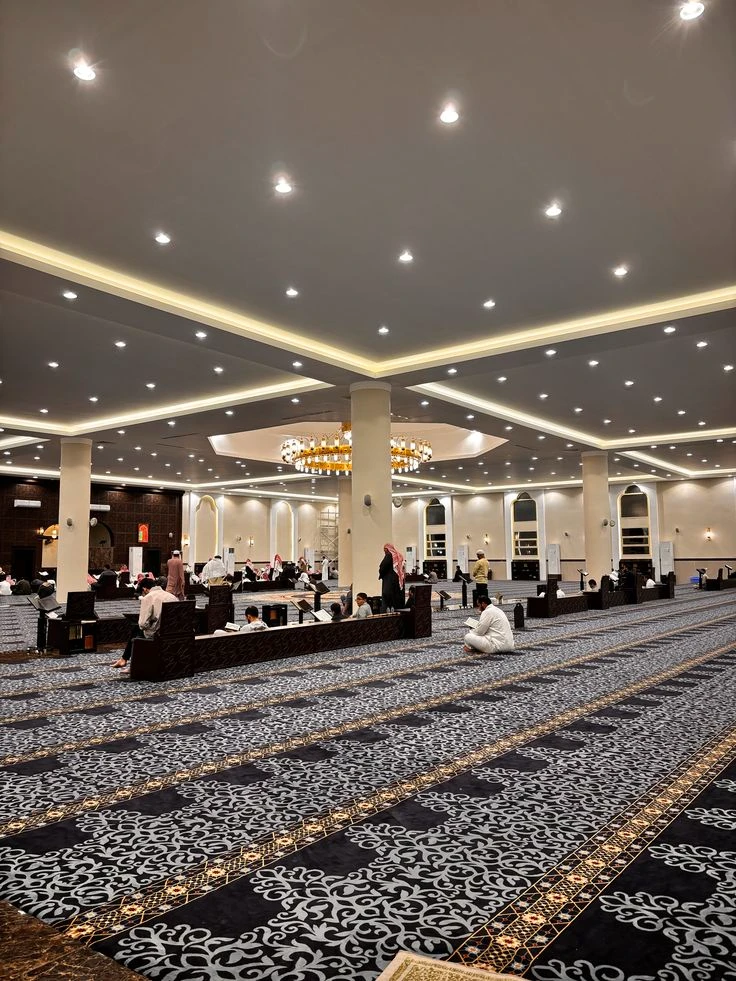
Image on Pinterest
What Sustainability Features Are in Nigerian Mosques?
Modern designs like Abijo use local laterite for thermal efficiency, reducing energy needs while honoring traditional materials for eco-friendly worship spaces.
In Nigeria’s climate, laterite bricks help maintain cool interiors naturally, cutting reliance on electricity during long prayer sessions in Ramadan 2026. Some mosques integrate solar panels to power lights for night activities, aligning with global green trends. These features not only preserve resources but also reflect Islamic values of caring for the earth.
As Ramadan 2026 encourages mindfulness, sustainable mosque architecture in Nigeria inspires similar practices at home. Traditional mud techniques from older mosques offer lessons in low-impact building that remain relevant for Ramadan 2026 and beyond.
If avoiding common pitfalls in green design matters to you, we discussed this in our piece on why sustainable design is often greenwashing.
Conclusion
As we close our discussion on mosque architecture in Nigeria during Ramadan 2026, these remarkable structures continue to inspire faith and unity. From timeless traditional forms to innovative modern ones, they increase the essence of Ramadan 2026.
If this sparks ideas for your own space, reach out to Imprexi for a consultation to craft something truly special.
READ MORE: HIDDEN COSTS IN NIGERIA BUILDING: THE 2026 HIDDEN FACT
FAQ
1. What is the best time to visit Nigerian mosques during Ramadan 2026?
Try heading there before iftar for lively community interactions or join taraweeh for a spiritual boost, but always verify local timings since Ramadan 2026 ends around mid-March.
2. How can I learn more about Afro-Brazilian influences in mosque architecture?
Check out mosques like Shitta Bey in Lagos, which mix Yoruba and Brazilian elements; online resources and local guides provide in-depth stories.
3. Are there guided tours for mosque architecture in Nigeria?
Several mosques allow group visits; connect with tourism centers or apps for scheduled tours, ideally outside peak prayer times in Ramadan 2026.

1 Comment