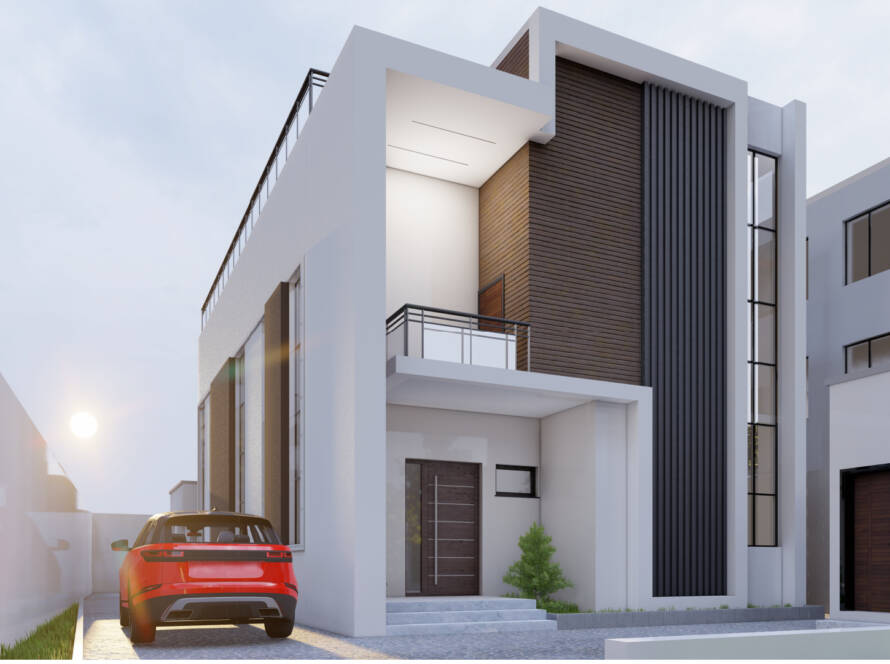
The top 10 architecture schools in Nigeria in 2026 are Covenant University, Federal University of Technology Akure, University of Lagos, Ahmadu Bello University Zaria, Obafemi Awolowo University, University of Nigeria Nsukka, Caleb University, Ajayi Crowther University, Caritas University and Chukwuemeka Odumegwu Ojukwu University. All hold current ARCON accreditation, deliver B.Sc and M.Sc programs, and prepare students for NIA registration.
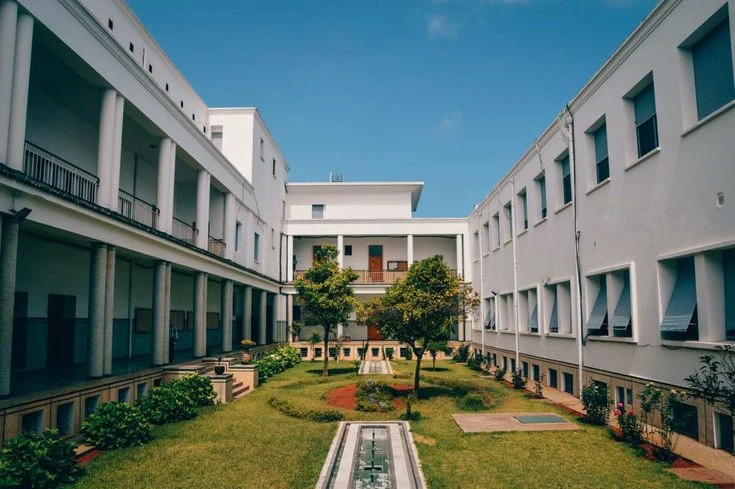
Image on Pinterest
Introduction
If you are searching for architecture schools in Nigeria, you already know how important the right choice is for your future career. Architecture schools in Nigeria combine creativity, technical skills and real-world problem solving. With ARCON accreditation required for professional registration, picking from the list of accredited schools of architecture in Nigeria matters more than ever in 2026.
Whether you prefer a federal university with affordable fees or a private school with modern facilities, this guide covers everything. You will see current rankings, fees, cut-off marks and practical advice so you can decide confidently.
Related Blogpost
INTERIOR ARCHITECTURE PORTFOLIO EXAMPLES 2026: 20+ INSPIRING DESIGNS
TOP ARCHITECTURE PORTFOLIO TEMPLATE TO LAND YOUR NEXT CLIENT IN 2026
WHY SUSTAINABLE DESIGN IS OFTEN GREENWASHING: DIASPORA GUIDE NIGERIA 2026
EASTER SUNDAY 2026: CHURCH ARCHITECTURAL DESIGN GUIDE
Which are the top 10 ARCON-accredited architecture schools in Nigeria right now?
Covenant University leads the pack in 2026 because of its strong research output and modern studios. Federal University of Technology Akure follows closely with excellent practical training. University of Lagos offers great urban exposure while Ahmadu Bello University Zaria remains a solid choice for northern students. Obafemi Awolowo University, University of Nigeria Nsukka, Caleb University, Ajayi Crowther University, Caritas University and Chukwuemeka Odumegwu Ojukwu University complete the list.
All hold full ARCON accreditation valid through 2026-2028. These architecture schools in Nigeria stand out for their consistent delivery of quality education that meets both local and international standards. Students who graduate from any of these institutions gain a competitive edge when they enter the job market or start their own practices.
How do Covenant University and FUTA compare for architecture in 2026?
Covenant University charges around ₦1,959,945 per session for architecture but gives students access to advanced BIM software and international partnerships. FUTA keeps fees under ₦200,000 and focuses on hands-on projects with strong industry links in Akure. Both rank in the top two according to Scimago 2026 data. Covenant suits students who want private campus life and global exposure.
FUTA works better for those who prefer lower costs and technical depth. When you compare these two architecture schools in Nigeria side by side you notice clear differences in campus culture, teaching style and career support services.
Many students choose Covenant for its emphasis on innovation while others pick FUTA for its proven track record in producing practicing architects who register quickly with NIA.
What are the current tuition fees and JAMB cut-offs for architecture programs?
Public architecture schools in Nigeria charge between ₦50,000 and ₦150,000 per year while private ones range from ₦1.5 million to ₦2 million. For 2026, JAMB cut-off marks start at 180 for most federal schools but reach 200-220 for competitive programs like UNILAG and Covenant. Always check the latest departmental cut-off after your UTME score because architecture schools in Nigeria remain highly sought after.
Budget planning becomes easier when you know these numbers upfront. Public options keep education accessible for many families while private schools invest the higher fees into better equipment and smaller class sizes.
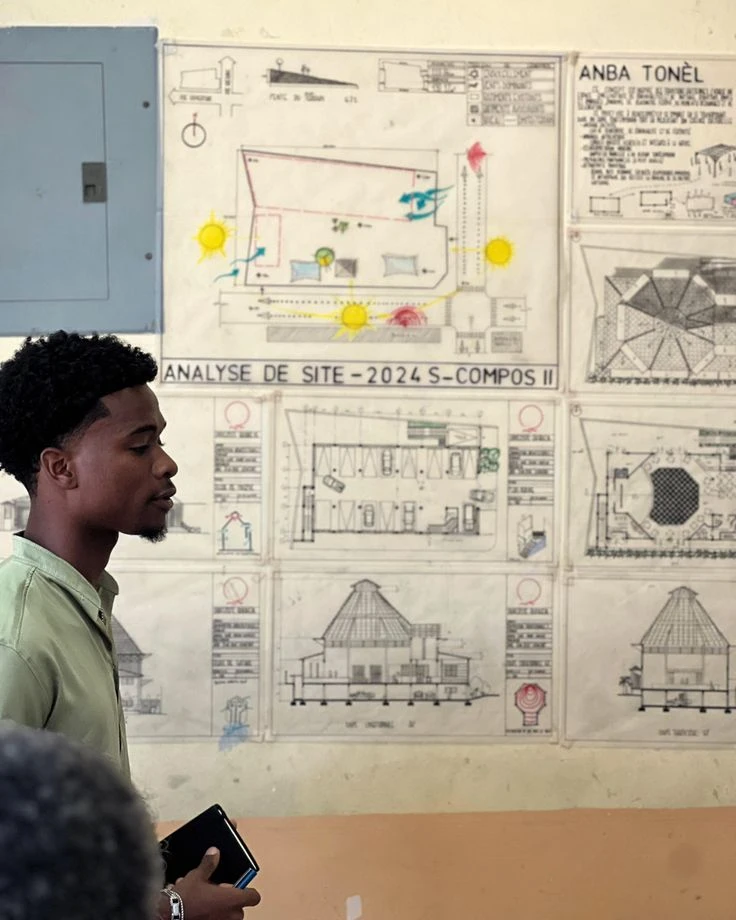
Image on Pinterest
Which schools offer the strongest digital design and BIM training?
Covenant University and FUTA stand out because they integrate CAD, Revit and sustainable design software from year one. UNILAG and OAU also updated their studios with modern equipment. Many other architecture schools in Nigeria still rely on traditional drawing methods so verify the curriculum before you apply.
Digital skills now decide how quickly you get hired after graduation. Employers in 2026 look for graduates who can produce 3D renders and BIM models on day one. Covenant leads here with dedicated computer labs and partnerships that bring industry professionals into the classroom.
FUTA follows with mandatory software modules that build real portfolio pieces. If you want to stand out among best architecture schools in Nigeria focus on programs that teach these tools early.
How long does it really take to become a registered architect in Nigeria?
You spend five years for the B.Sc, then another two for the M.Sc, followed by two years of supervised practical experience. After that you sit for the ARCON professional exams.
The full journey takes nine to ten years but architecture schools in Nigeria structure the program to make each stage clear and achievable. The process feels long but every step builds essential skills. During your B.Sc you focus on design fundamentals and technical drawing.
The M.Sc dives deeper into advanced theory and specialized areas like urban planning or sustainable architecture. Practical experience then bridges the gap between classroom learning and real projects. Many students from the list of accredited schools of architecture in Nigeria finish faster because their schools offer strong internship placement support.
How to choose the right architecture school based on your budget and location?
Consider your JAMB score, family budget and preferred city. Lagos and Ogun suit students who want urban exposure while Zaria or Akure work for those who prefer a focused campus. Private architecture schools in Nigeria cost more but often provide better facilities.
Federal options keep costs low and still deliver quality training when you pick from the top 10. Visit open days and talk to current students before you decide. Location plays a big role in your daily life as a student. Studying in Lagos gives you access to real construction sites and networking events almost every weekend.
A campus in Akure offers a quieter environment where you can concentrate fully on studio work. Budget also determines how much time you spend worrying about fees versus focusing on your designs.
Image on Pinterest
Why ARCON accreditation matters more than ever for architecture schools in Nigeria
ARCON accreditation guarantees that your degree meets the minimum standard required for professional registration. Without it you cannot legally practice as an architect in Nigeria or sign off on building plans. In 2026 the regulatory body tightened rules so only fully accredited programs appear on the official list. Every school on the top 10 list holds valid accreditation but some have shorter renewal periods.
Check the expiry date on the ARCON website before you accept an offer. This step protects your investment and saves you from future headaches. Students who ignore this detail sometimes discover too late that their school lost accreditation midway through the program.
Tips for preparing your application to any architecture schools in Nigeria
Start early with your JAMB registration and subject combination. Architecture requires English, Mathematics, Physics and any other subject. Build a simple portfolio even before you gain admission. Include hand sketches, 3D models and any design projects you completed in secondary school. Attend open days and ask current students about daily life in the department.
Common mistakes students make when choosing from the list of accredited schools of architecture in Nigeria
Many focus only on rankings and ignore location or fees. Others apply without checking the latest cut-off marks and end up disappointed. A few choose based on friends instead of their own career goals. Avoid these pitfalls by creating a personal checklist that includes budget, preferred learning style and long-term plans.
How architecture schools in Nigeria prepare you for the global job market
Graduates who master digital tools and sustainable design principles find opportunities beyond Nigeria. Many work remotely for firms in Europe and the Middle East. The strong foundation from top Nigerian programs makes the transition smoother.
Conclusion
Architecture schools in Nigeria give you the foundation to shape the built environment and build a rewarding career. Whether you choose Covenant University, FUTA or any other accredited option, the key is to pick the school that matches your goals, budget and learning style. Start preparing your JAMB subjects and portfolio today so you can join the next intake.
READ MORE: INTERIOR ARCHITECTURE PORTFOLIO EXAMPLES 2026: 20+ INSPIRING DESIGNS
FAQ
1. What is the ARCON accreditation status for architecture schools in Nigeria?
All schools on the approved list hold current ARCON accreditation as of April 2026. Check the official ARCON website for the latest expiry dates before you apply.
2. Which architecture schools in Nigeria accept lower JAMB scores?
Some state and private universities accept scores from 160 upward but the top 10 still require 180-220. Always confirm the exact cut-off for your target program.
3. Are private architecture schools in Nigeria worth the higher fees?
Yes, when they offer better facilities, smaller classes and stronger industry links. Covenant University graduates often secure jobs faster, which can justify the investment.