Introduction
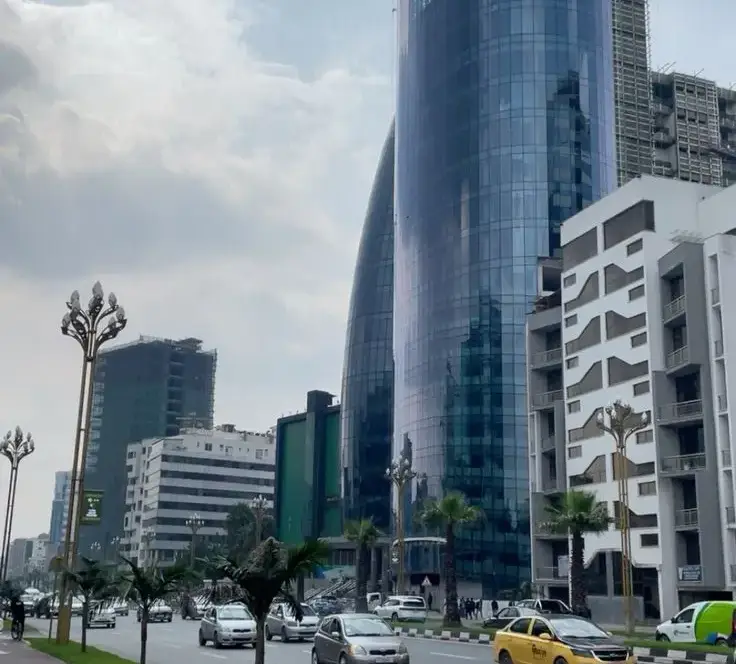
Have you ever wondered what it really takes to bring a building project to life in Nigeria? With rapid urbanization in cities like Lagos and Abuja, architecture in Nigeria is evolving fast. It blends traditional influences with modern needs for sustainability and efficiency.
According to the Nigerian Institute of Architects, new projects now incorporate green elements to combat climate challenges. But costs can add up quickly due to factors like inflation and material shortages. In this guide, we break it down simply, so you can plan smarter, helping you understand these expenses to avoid common pitfalls.
RELATED BLOG POST
Sustainable Architecture Trends In Nigeria
Architectural Design Near Me: How to Choose the Right Firm for your Project
Architectural Designs: A Beginner’s Guide to Building Design
6 Top Home Renovation Companies in Nigeria for Quality Services
Ready to get started? Contact Imprexi today for consultation and turn your vision into reality.
Historical and Cultural Context of Architecture in Nigeria
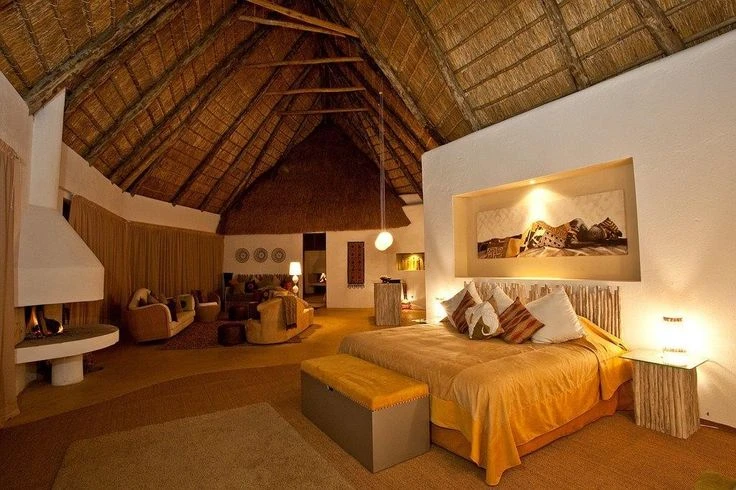
Architecture in Nigeria has deep roots that shape today’s costs and designs. Traditional styles, like the intricate patterns in Igbo Ukwu bronze works or the durable thatched roofs in rural areas, emphasize local materials for affordability. Colonial influences brought in Western elements, such as Victorian facades in older Lagos buildings, which increased reliance on imported goods.
Fast forward to 2025, and modern architecture in Nigeria focuses on blending these traditions with innovation. For instance, sustainable practices use bamboo or recycled plastics to cut expenses. Yet, cultural shifts toward urban living raise costs, as projects must adapt to dense populations.
Imprexi helps clients save on revisions while creating spaces that feel authentic.
Key Cost Factors in Nigerian Architecture
Let’s get into the numbers. The cost of architecture services in Nigeria varies by project type, location, and scope. In 2025, inflation has pushed average expenses higher, with the National Bureau of Statistics reporting a 34.8 percent rate in late 2024, impacting materials and labor.
Start with design fees. These typically range from 5 to 10 percent of the total project cost. For a standard residential home, that means N2 million to N5 million, depending on complexity. Imprexi offers transparent pricing here, often bundling initial consultations to keep things straightforward.
Materials and labour form the bulk. Cement, a staple, costs N9,500 to N10,400 per bag, up from previous years due to supply chain issues. Steel rods hit N1.5 million per ton, as per recent market data. Labour for skilled workers like masons runs N50,000 to N100,000 per week in major cities.
Permits and regulations add another layer. In Lagos, approval fees from bodies like the Lagos State Physical Planning Permit Authority can total N500,000 to N1 million. Rural areas might be lower, around N200,000.
Sustainable add-ons? They add 10 to 20 percent upfront but save 30 percent long-term through energy efficiency. Think of solar integrations or rainwater harvesting, popular in eco-friendly designs.
Regional differences matter too. Lagos projects cost 20 to 30 percent more than in Enugu or Kano, due to higher land values and logistics.
N:B Prices are susceptible to change
Partner with Imprexi for a customized quote that factors in these variables, ensuring no hidden surprises.
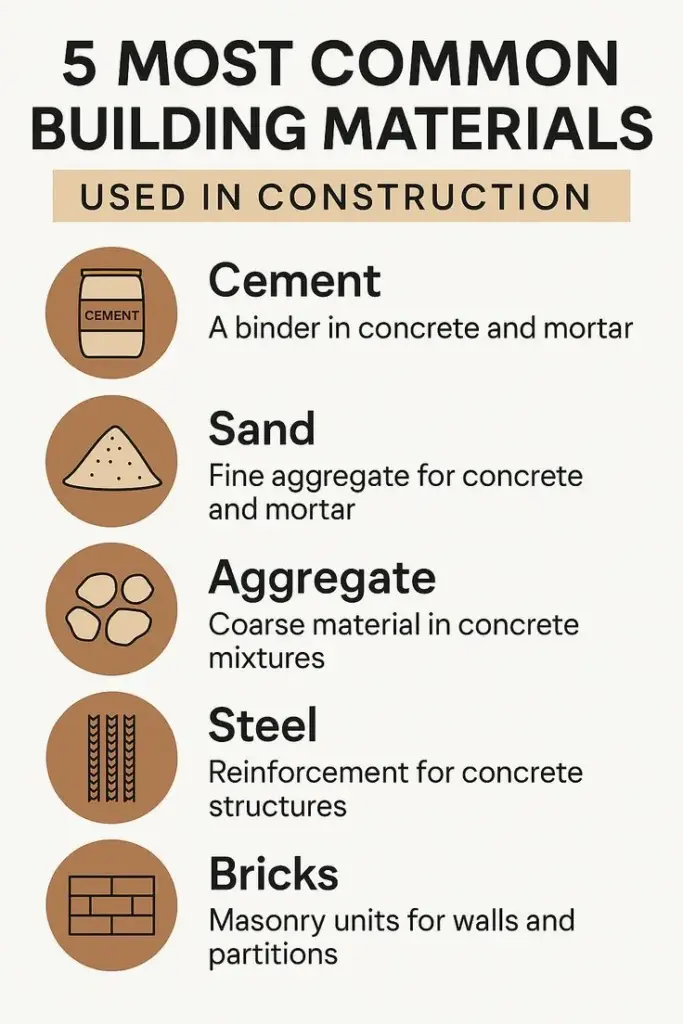
Architecture in Nigeria building materials Common Pain Points and Practical Solutions in Architecture in Nigeria.
1. Budget Overruns (25-40%)Issue: Fluctuating costs cause financial stress.
Fix: Use trusted brands (e.g., Imprexi) to cut waste by 15%.
2. Regulatory Delays Issue: Architects Registration Council slows timelines, adds loan interest.
Fix: Engage registered pros early for smooth approvals.
3. Sustainability Gaps Issue: Ignoring local mud bricks (N5,000/m²) for imports raises bills.
Fix: Prioritize affordable local materials in designs.
4. Communication Mismatches Issue: Gaps with firms lead to revisions.
Fix: Opt for end-to-end services like Imprexi for clear updates.
5. Affordability Challenges Issue: High costs make projects inaccessible.
Fix: Build in phases; start essentials, expand later.
Highlight: Tackle issues early for headache-free projects!
Finding the Right Services for Your Project
Hunting for sustainable architecture in Nigeria? Look for firms certified by the Green Building Council Nigeria. Top picks include Imprexi; we stand out with our focus on eco-designs tailored to local climates.
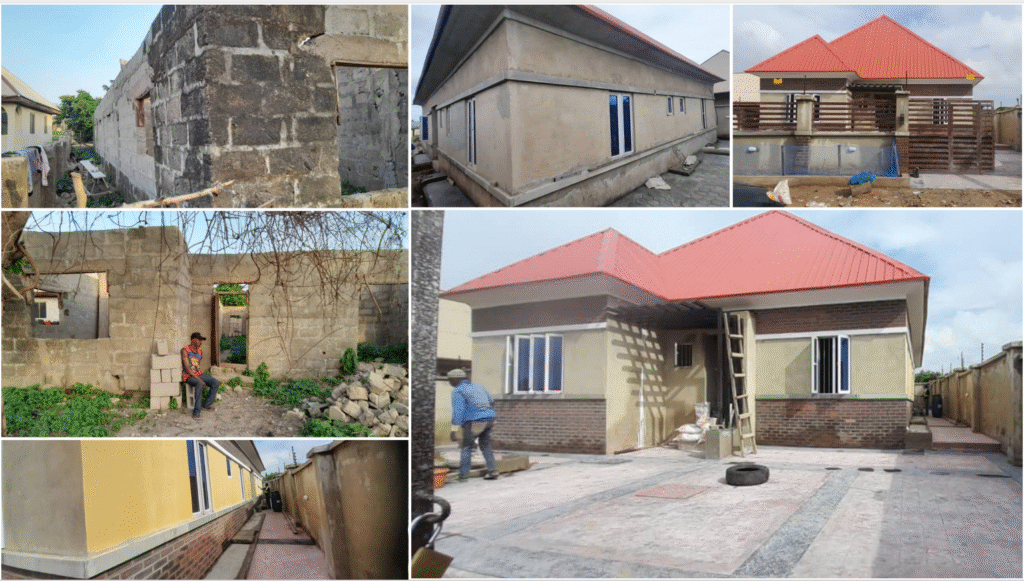
For residential projects, top architecture firms in Nigeria like Imprexi handle everything from bungalows (N25 to 35 million basic) to duplexes (N80 to 120 million luxury).
Need a landscape architect for large estates? Costs range from N200,000 for designs to N1 million for installation. Platforms like Upwork connect you, but Imprexi’s integrated landscape services ensure seamless estate developments.
Leading construction companies with design arms, Imprexi provides full packages and combines architecture and management, making it ideal for comprehensive needs.
Advice: Check portfolios and ARCON registration. Imprexi’s client testimonials highlight reliable delivery.
Check out our architectural services. Also, explore our sustainable architectural trends.
Conclusion
Navigating architecture in Nigeria does not have to be overwhelming. With a clear grasp of costs, from fees to materials, you can build confidently in 2026. Remember, smart choices like sustainable elements and expert partners make all the difference.
Ready to get started? Contact Imprexi today for consultation and turn your vision into reality.
READ MORE: Key Services of Architectural Firms You Should Know
FAQs
1. What is the average cost of architecture services in Nigeria for a residential project?
In 2025, it ranges from N2 million to N5 million for design fees alone, depending on size and location. Full builds add materials and labor, often totaling N25 to 120 million.
2. How does inflation affect architecture in Nigeria costs in 2025?
Inflation at 34.8 percent drives up material prices like cement and steel by 25 to 40 percent, leading to overruns. Planning with firms like Imprexi helps mitigate this through efficient designs.
3. Where can I find top firms in architecture in Nigeria for sustainable projects?
Look at certified options like Imprexi. They focus on green practices, with costs starting at a 10 to 20 percent premium for long-term savings.