Copying Western architecture in Africa forces diaspora Nigerians into glass-and-concrete boxes that overheat in tropical climates, spike electricity bills and erase cultural identity. Demand local laterite, bamboo and compressed-earth bricks plus courtyard layouts with passive ventilation. Include contract clauses requiring 40 percent vernacular elements and climate-performance guarantees. This approach cuts cooling costs up to 70 percent, lasts three times longer in humidity and reconnects your home to Nigerian heritage while delivering modern comfort.
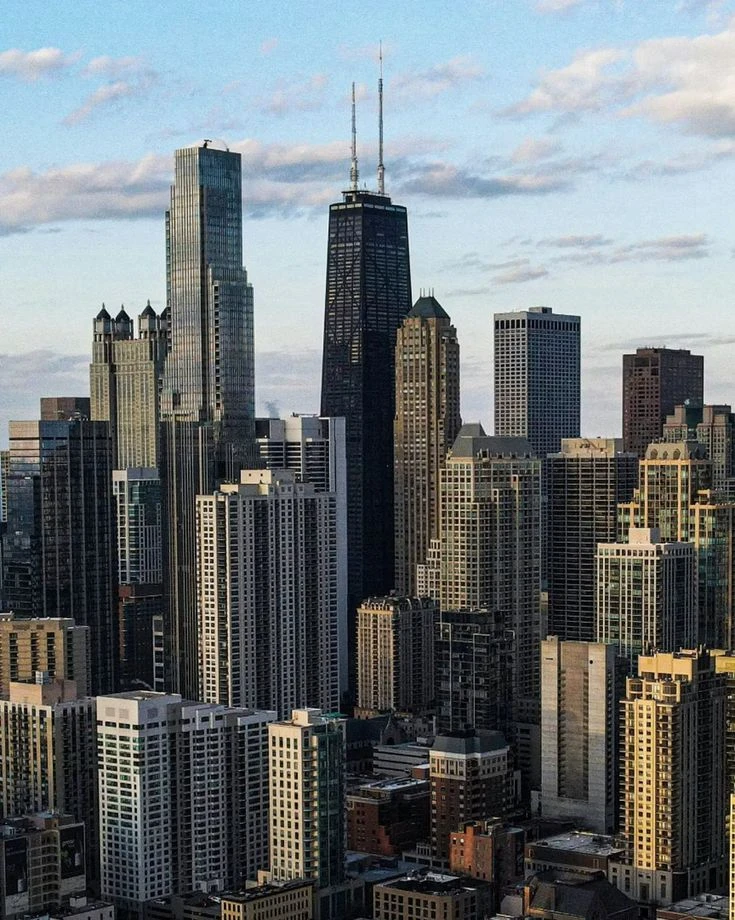
Image on Pinterest
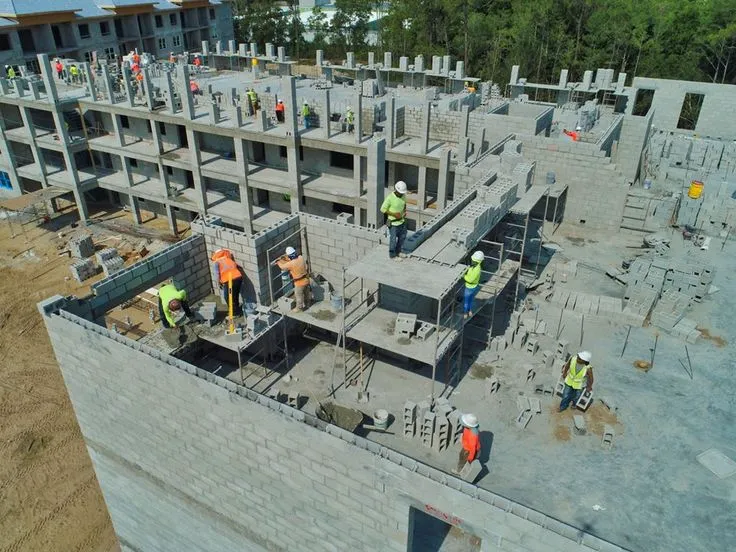
Thousands of Nigerians returning from the UK, US and Canada arrive with savings and big dreams only to watch contractors push western architecture, the same glass-heavy templates seen in Dubai or London. These designs look modern on paper but fight Nigeria’s heat, rain and power reality every single day.
Recent data shows construction costs remain near record highs in 2025 even as general inflation eases, with a 50 kg bag of cement still selling for ₦10,200 in Lagos. Imported finishes add another 40-60 percent premium with no performance gain in local conditions.
Related Blog Posts
HOW TO INCORPORATE NIGERIAN CULTURE IN BUILDING DESIGN BRIEFS
PASSIVE COOLING TECHNIQUES FOR NIGERIAN HOMES
COST SAVING TECHNIQUES FOR DIASPORA BUILDERS
10 MISTAKES DIASPORA NIGERIANS MAKE WHEN BUILDING BACK HOME
Ready to build the right way? Book a free 30-minute Diaspora Design Briefing with our team at Imprexi and receive a customised vernacular checklist tailored to your plot and budget.
Why is copying Western architecture problematic for African climates?
Western architecture in Nigeria relies on sealed glass facades and heavy air-conditioning that Nigeria’s unreliable grid cannot support. Buildings with large glazed surfaces increase cooling energy demand dramatically in hot-humid zones. Frequent power outages turn these homes into ovens during the day and force expensive generator use at night. Traditional passive strategies, by contrast, use thick walls, cross-ventilation and shading to keep interiors 5-8 °C cooler without mechanical systems.
How does Western architecture ignore Nigeria’s cultural identity?
Copying Western architecture in Africa replaces courtyard compounds that fostered family interaction with isolated rooms and blank walls. Yoruba, Hausa and Igbo building traditions placed social life at the centre through open courtyards, carved motifs and earth-tone palettes that reflect community values. Modern glass boxes imported from Europe or the Middle East strip away these elements, leaving returnees with homes that feel foreign even on their own land. The result is not just aesthetic loss but weakened family bonds and a diluted sense of belonging.
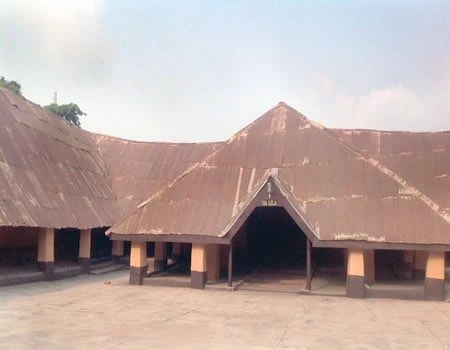
Image on Pinterest
What energy and cost savings come from demanding local materials?
Local laterite blocks, bamboo roofing and compressed stabilised earth bricks cost 35-55 percent less than imported equivalents and perform better thermally in Nigeria’s climate. A 2025 cost survey shows imported steel rebar at ₦12,500 per length versus ₦9,500 for local alternatives, while cement remains the single biggest imported input driving up bills.
For proven techniques that actually deliver these savings for overseas clients, read Effective Cost Saving Techniques for Overseas Clients. Homes built with breathable local materials reduce cooling needs by 60-70 percent and resist humidity damage far longer than Western architecture finishes that peel or crack within two rainy seasons.
Which traditional Nigerian styles should diaspora builders revive?
Yoruba courtyard compounds offer natural light wells and social spaces perfect for extended families. Hausa mud architecture provides thick walls with geometric patterns that regulate temperature and celebrate craft. Igbo compounds use raised floors and verandas for flood protection and airflow.
To make sure these elements are properly captured in your brief, see the detailed guide How to Incorporate Nigerian Culture in Building Design Briefs. Modern adaptations of these styles, such as those championed by Pritzker Prize winner Diébédo Francis Kéré, combine the best of tradition with contemporary engineering to create homes that feel proudly Nigerian yet fully functional in 2026.
What exact clauses should you put in your architect contract?
Include these five non-negotiable clauses when briefing professionals for builds in Nigeria:
- Minimum 40 percent local materials by volume with documented sourcing.
- Passive design audit confirming no more than 30 percent glazed surface area on sun-facing elevations.
- Post-handover 12-month performance monitoring of indoor temperatures and energy use.
- Cultural identity review requiring at least three traditional motifs or spatial elements.
- Penalty clause for deviation without written client approval.
These clauses protect your investment and force the design process to respect both climate and culture, the by beating western architecture.
How do successful diaspora returnee homes blend modern and vernacular?
Returnees who succeed combine Kéré-inspired strategies with personal touches. Using stabilised earth walls with floor-to-ceiling louvred windows and a central courtyard that doubles as a family gathering space.
Also integrating solar panels on a traditional hipped roof while keeping the original mud-plaster aesthetic. These homes cost less to build, use 60 percent less energy and command higher resale value because they feel authentic rather than imported.
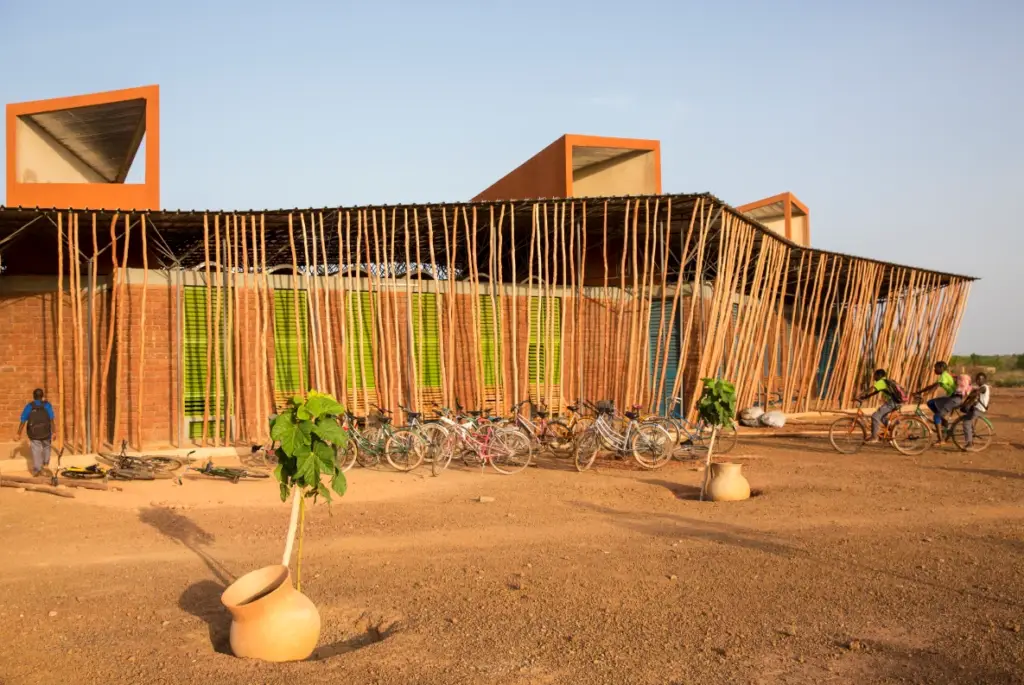
Image on archidatum
What does the future of Nigerian residential architecture look like?
The next decade will see hybrid homes that treat local materials as premium features rather than budget options. Expect wider adoption of Kéré’s community-first methods, digital tools for simulating passive performance and policy incentives for vernacular-certified builds. Diaspora Nigerians who lead this shift will not only save money but also help restore pride in African design on the global stage.
Conclusion
Copying Western architecture in Africa no longer makes sense for diaspora Nigerians who want homes that work with the climate, honour their heritage and protect their hard-earned savings. Through demanding local materials, passive design and clear contract safeguards you create buildings that stay comfortable, cost less to run and tell a story of cultural confidence. The tools and knowledge exist today. The only missing piece is your brief.
Ready to build the right way? Book a free 30-minute Diaspora Design Briefing with our team at Imprexi and receive a customised vernacular checklist tailored to your plot and budget.
Read More: Discover practical ways to keep your Nigerian home cool without relying on air-conditioning: Passive Cooling Techniques: Remote Nigerian Homes Design.
FAQ
1. Why is copying Western architecture in Africa so common among diaspora clients?
Many returnees associate glass and concrete with success because that is what they see in luxury magazines and developer show houses. Contractors also prefer these templates because they are quick to copy and require less creative input. The result is a cycle where cultural disconnection and high running costs go unnoticed until the first electricity bill or major repair arrives. Breaking the cycle starts with education and a strong client brief.
2. Can traditional Nigerian architecture really support modern luxury living?
Yes. Contemporary adaptations of Yoruba courtyards, Hausa compounds and Igbo raised structures already incorporate en-suite bathrooms, smart lighting and full-height glazing where appropriate, all while maintaining passive cooling. Francis Kéré’s schools and homes prove that local materials can deliver five-star comfort without imported air-conditioning systems. The key is intelligent hybrid design, not wholesale rejection of modernity.
3. How much more expensive are Western-style builds compared with vernacular options in Nigeria today?
In 2025-2026, a typical 4-bedroom Western-style home in Lagos or Abuja costs 35-55 percent more in materials alone due to imported glass, steel and finishes. Ongoing energy and maintenance add another 60-70 percent over five years. Vernacular-led homes using local laterite and bamboo deliver the same floor area for less upfront capital and dramatically lower lifetime costs while offering superior climate performance.
Author

By Anuma Maxwell – Veteran Content Writer & Brand Storyteller | SEO Specialist | Social Media Manager with years of proven experience creating high-impact copy, blog posts, and digital narratives that drive engagement and conversions.