


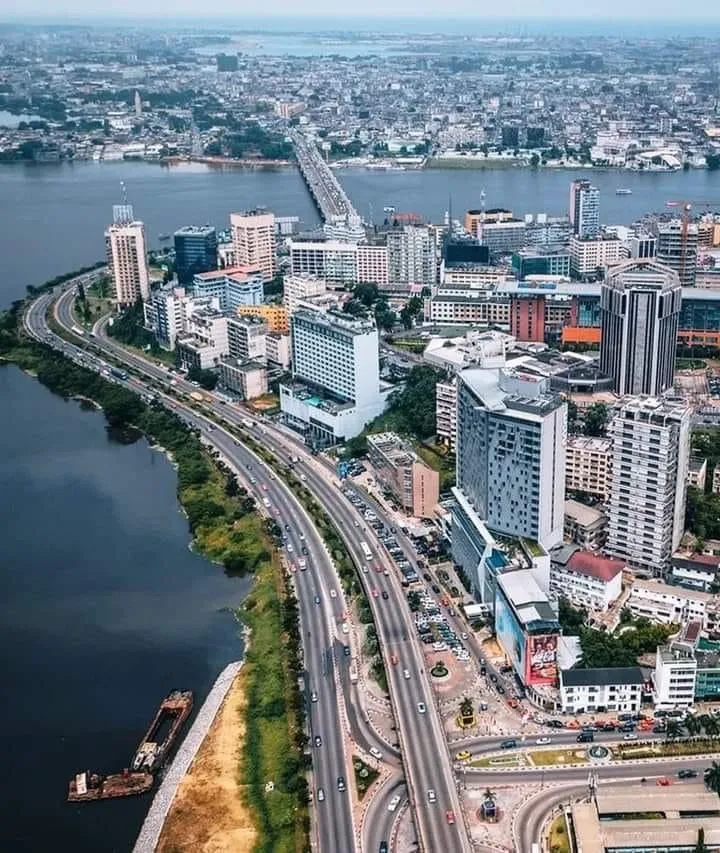
Image by Hellen Kerali on Pinterest
Introduction
Are you a Nigerian living in Houston, London, or Toronto, and you’ve been thinking about turning that hard-earned money into a solid home back in Nigeria, you’re not alone. Many professionals are motivated by the idea of creating a family base, setting up rental income, or planning for retirement. But let us be real, stories of fraud, delays, and abandoned projects can make it feel risky. That’s why this guide walks you through the process step by step on building your homes in Nigeria, with tips tailored for folks abroad. We’ll cover everything from setting goals to managing construction remotely, all while keeping things straightforward and helpful.
Building homes in Nigeria starts with understanding the basics. For instance, construction involves planning, materials, and labor, and in Nigeria, factors like local regulations play a big role. According to recent data, diaspora remittances hit $20.93 billion in 2024, with about 30% going toward housing projects.This shows how many people are investing, but success comes from smart preparation.
RELATED BLOGPOST
Architecture in Nigeria: The Real Cost Breakdown
Nigerian Architecture: 7 Costly Mistakes to Avoid
Nigerian Modern Architectural Designs: latest Trend
6 Top Home Renovation Companies in Nigeria for Quality Services
Ready to start? Contact Imprexi today for a free consultation on your project and make your dream a reality.
Understanding Your Goals and Vision
First things first, let’s talk about why you’re doing this. Are you building nigerian houses for your parents to live in comfortably, or maybe as a rental property to generate steady income? Perhaps it’s a retirement spot for when you decide to return. Whatever it is, get clear on your vision early.
Start by sketching out what your dream homes in Nigeria looks like. Think about the number of bedrooms, style, like modern duplex or traditional bungalow, and features such as solar panels for energy efficiency. Tools like free online design software can help visualize this. For diaspora folks, this step is key because it sets the foundation for everything else.
One common motivation is legacy building. With Nigeria’s population projected to hit 260 million by 2026, urban areas are booming, making homes in Nigeria a smart long-term asset. But remember, align your goals with your lifestyle abroad to avoid overcommitting.
Budgeting and Financing from Abroad
Money matters, especially when you’re sending funds across borders. Building houses in Nigeria can cost anywhere from ₦50 million for a basic three-bedroom to over ₦300 million for a luxury setup in 2026, depending on location and specs. Factor in inflation, which has pushed construction costs of homes in Nigeria up by 15-20% recently.
Break it down:
Land: ₦10-50 million in places like Ibadan or Lagos.
Materials: Cement, steel, and roofing can eat up 40% of your budget.
Labor and Permits: Add 20-30% for professionals and approvals.
Hidden Costs: Currency fluctuations and transport fees.
As a diaspora investor, use remittances wisely. Many send money in phases to match construction stages. Consider foreign loans or partnerships with banks in Nigeria for better rates.
Pro tip: Build a buffer of 20% for surprises, and track everything with apps like Excel or budgeting tools.
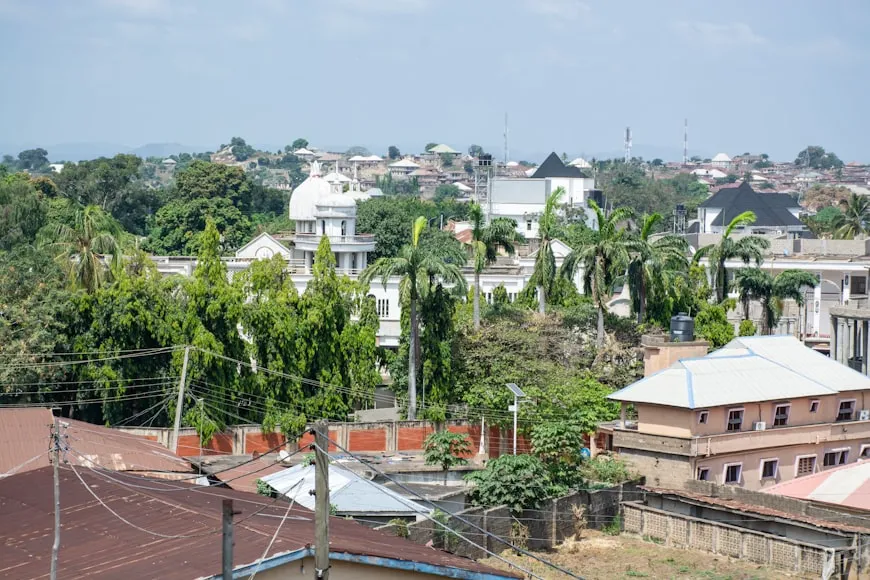
Image by Francis Tokede on Unsplash
Choosing Location and Land Acquisition
Location is everything when it comes to homes in Ibadan Nigeria or other spots. Popular areas include Lagos for vibrancy, Abuja for security, or Ibadan for affordability and space. Haven homes in Nigeria often thrive in growing suburbs with good roads and amenities.
But watch out for land issues as it concerns homes in Nigeria. Always verify titles through a lawyer to avoid disputes. Use services from Imprexi for expert guidance on site selection. We specialize in architectural and construction management, which can help ensure your plot is legit.
Steps to secure land:
- Research via online maps or agents.
- Get a survey and Certificate of Occupancy.
- Avoid buying through unverified family to prevent scams.
With Nigeria’s housing deficit at 22-28 million units, picking a spot with rental potential can pay off big.
Hiring Reliable Teams and Remote Oversight
This is where trust comes in, you’ve heard the stories of funds vanishing or projects stalling. To avoid that, hire registered professionals. Look for builders affiliated with REDAN (Real Estate Developers Association of Nigeria).
For remote management:
- Use video calls and drones for site updates.
- Set milestones with payments tied to progress.
- Appoint a project manager on the ground.
Imprexi is a reliable team to work with as it concerns homes in Nigeria. Diaspora investors are driving market growth, with their capital expected to rise 20-30% in 2026, but only into verified projects. Build a contract that covers timelines and quality checks.
Step-by-Step Construction Process For Homes in Nigeria
Once set, follow a phased approach to keep things manageable.
Phase 1: Foundation – Clear the site, dig, and pour concrete. This takes 4-6 weeks.
Phase 2: Structure and Roofing – Build walls and install the roof. Use durable materials to handle Nigeria’s weather.
Phase 3: Finishing – Plumbing, electrical, painting. Add smart features like security cameras for remote access.
Incorporate trends like sustainable builds with local materials. For homes for sale in Nigeria, focus on market appeal. Total timeline: 6-12 months if well-planned.
Avoiding Common Pitfalls and Understanding Legal Essentials for Homes in Nigeria
Scams are real, but you can sidestep them. Common issues include overbilling or poor workmanship.
Solutions:
- Get multiple quotes.
- Insure the project.
- Use escrow for payments.
Legally, ensure permits from local authorities. Work with lawyers for contracts. Success stories from diaspora show that with checks, projects finish on time and budget.
Finishing Touches and Long-Term Management
Wrap up with interiors, landscaping, and testing systems. For rental, set up management via apps or local agents. Maintenance from abroad is easy with trusted contacts.
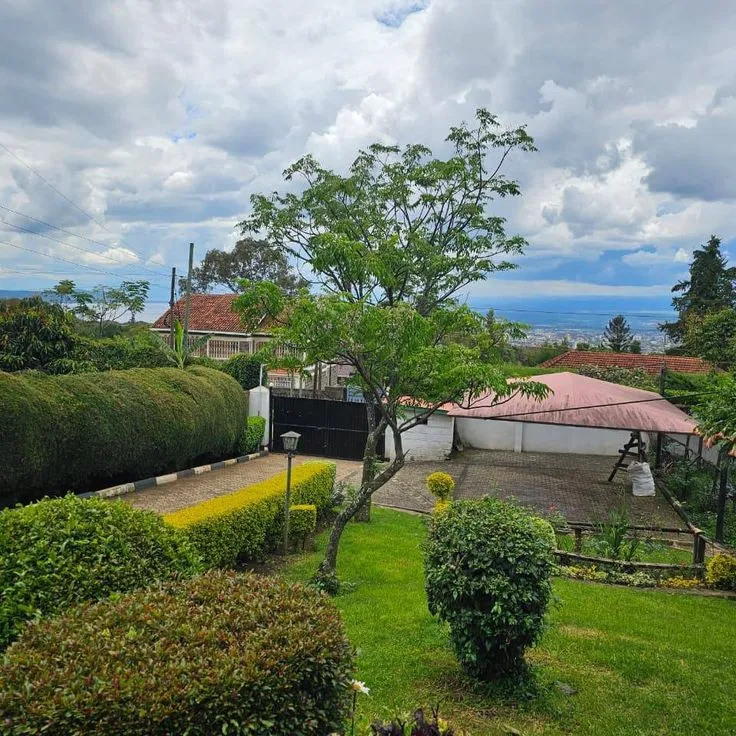
Image by Rudi Tajiri Africa Propertie Ltd on Pinterest
Conclusion
Building homes in Nigeria from abroad is achievable with the right plan, turning your vision into a lasting asset for family or income. It addresses the growing demand in a market projected to reach $3.41 trillion by 2029.
Ready to start? Contact Imprexi today for a free consultation on your project and make your dream a reality.
Read More: Nigerian Modern Architectural Designs: latest Trend
FAQ
1. What is the average cost to build a home in Nigeria in 2026?
Costs range from ₦50-300 million, depending on size and location. Factor in land, materials, and labor for accurate estimates.
2. How can I avoid scams when building from abroad?
Hire verified professionals, use phased payments, and get legal checks on land and contracts.
3. What are the best locations for building homes in Nigeria, particularly for diaspora investors?
Lagos, Abuja, and Ibadan offer good options, with Ibadan being more affordable and spacious.


1 Comment