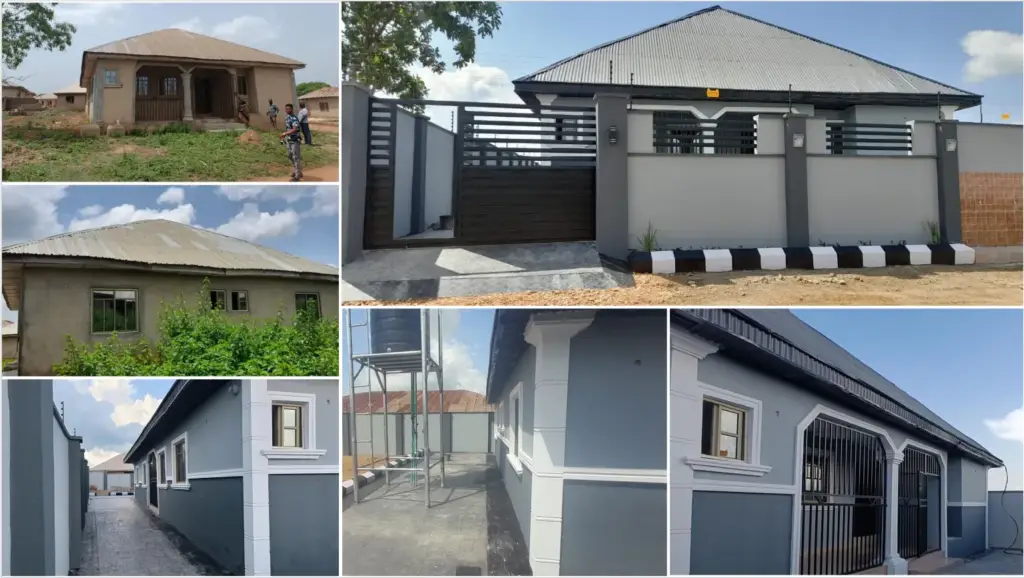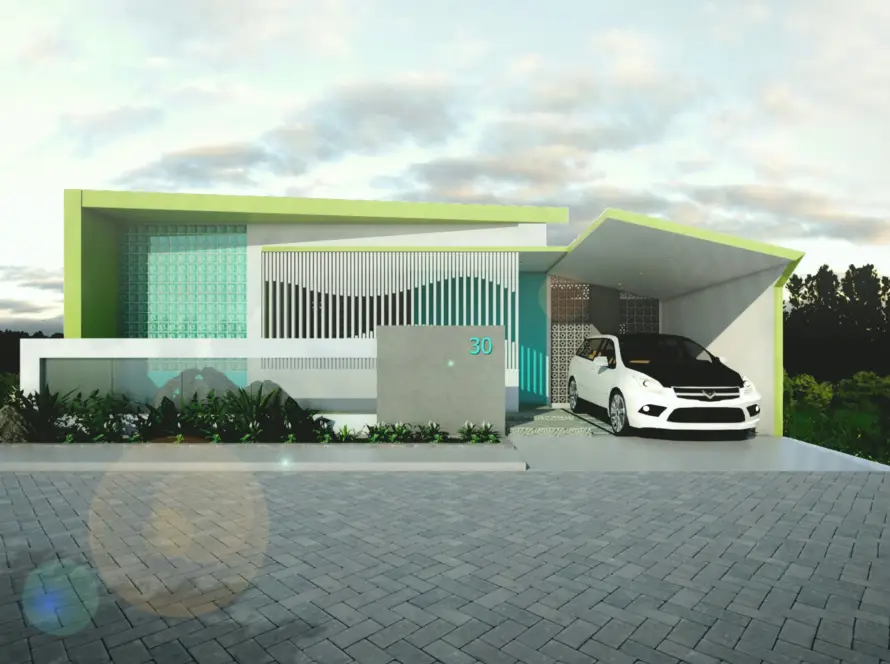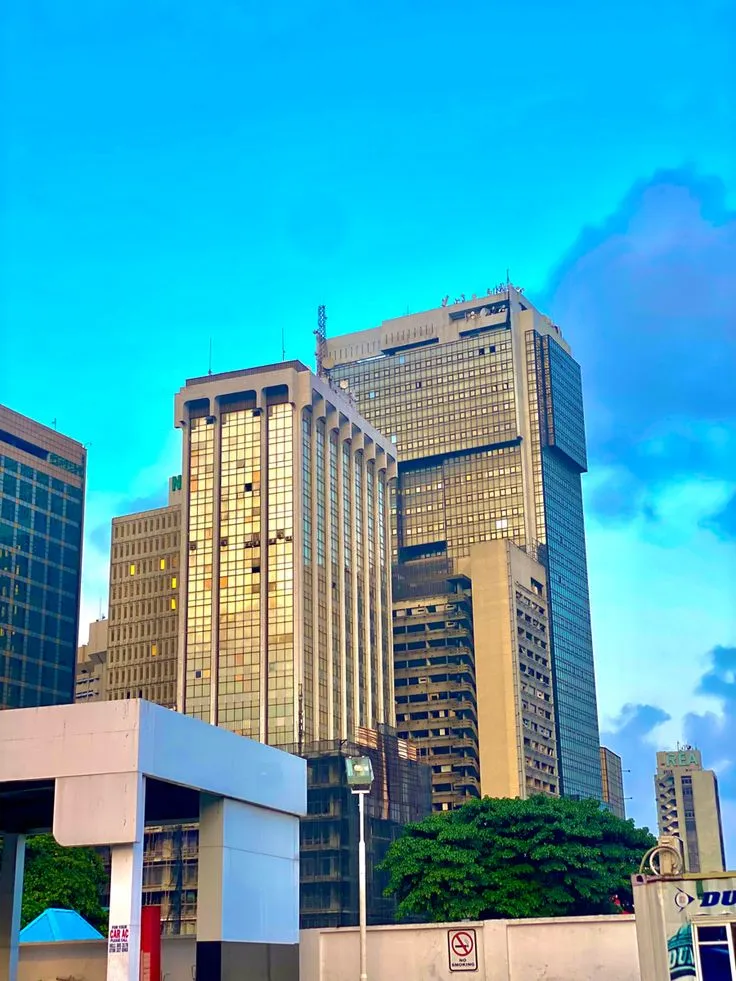
Image by Core.imagix on Pinterest
Introduction
Are you planning a building project in Nigeria? If yes, you know it is an exciting journey filled with creativity and challenges. Nigerian architecture blends rich cultural heritage; like those iconic Hausa mud structures or Yoruba courtyards; with sleek modern designs that fit bustling cities like Lagos or Abuja. But here is an important thought; without careful steps, small oversights can turn into big financial headaches. Understanding these pitfalls is key to success.
According to ARCON, up to 20% of projects face delays due to avoidable errors, often linked to regulatory issues or poor material choices. In this post, we will walk through seven common mistakes and how to sidestep them, drawing from real experiences in the field. As experts at Imprexi, we have seen it all and helped clients navigate these smoothly.
RELATED BLOG POST
Dream Big: Understanding Architectural Home Designs
Architectural Design Patterns: A Beginners Guide
Architectural Designs: A Beginner’s Guide To Building Design
Our Services: Expert Architectural Solutions In Nigeria
Ready to chat? Book a consultation today and let us build something amazing together.
Why Mistakes Happen in Nigerian Architecture Projects
– Fluctuating material prices (e.g., cement ₦9,500 → ₦10,200 per bag)
– Skipping proper planning & detailed drawings
– Ignoring local regulations & approvals
– Choosing the cheapest contractor/artisans
– Poor or no site supervision
– Forex & currency volatility on imported materials
– Starting work in rainy season (June–Sept)
– Handshake deals instead of written contracts
– Zero contingency budget (needs 15–25%)
– No professional team (architect, QS, engineer, PM)
At Imprexi, we emphasize starting with a solid foundation, literally and figuratively; to keep things on track.
Mistake 1: Skipping Professional Architectural Planning
One of the biggest slip-ups in Nigerian architecture is rushing into construction without a detailed plan. You might think sketching on paper saves time, but it often leads to redesigns midway, costing thousands in rework. For instance, in Lagos, where space is tight, poor layout can mean inefficient use of land, violating zoning rules from bodies like the Lagos State Physical Planning Permit Authority.
To avoid this, team up with pros early. Imprexi specializes in concept development that fuses traditional Nigerian elements with modern needs, ensuring your vision aligns with reality. Check out our guide on Architectural Design Patterns: A Beginners Guide for more on structuring your ideas effectively.
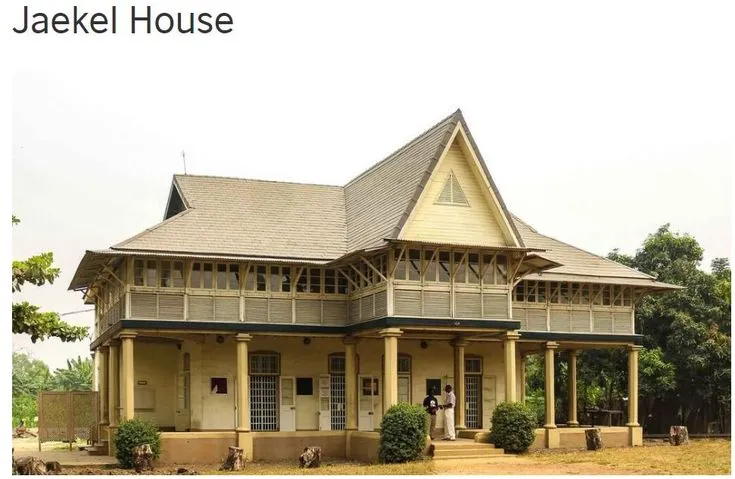
Mistake 2: Ignoring Soil and Climate Tests
Nigeria’s diverse terrain; from swampy Lagos coasts to rocky Abuja hills, means not all ground is equal. Skipping geotechnical surveys can cause foundations to crack, especially during rainy seasons when flooding affects urban projects. This mistake alone can double repair costs. Get ahead by conducting tests upfront. At Imprexi, we integrate these into our urban planning services, adapting designs for local weather. It is simple; a quick soil analysis prevents long-term regrets.
Mistake 3: Using Substandard or Mismatched Materials
With so many options, picking cheap imports over quality local materials is tempting, but it backfires. Traditional Nigerian building materials like mud bricks or thatch work great for eco-friendly homes, yet mismatching them with modern structures leads to durability issues. Brands supplying authentic ones, like those curated by Imprexi, ensure longevity without breaking the bank.
Opt for vetted suppliers experienced in blending old and new. Our team at Imprexi sources materials that honour cultural roots while meeting contemporary standards, cutting down on maintenance woes in Nigerian architecture.
Mistake 4: Neglecting Regulatory Compliance
ARCON licensing and local approvals are non-negotiable, but many overlook them in Nigerian architecture, resulting in fines or halts. In Nigeria, unlicensed work contributes to 10-15% of project abandonments, as highlighted in industry forums.
Stay compliant by verifying credentials. Imprexi handles regulatory guidance as part of our consulting, making the process hassle-free for clients in places like Lagos.
Mistake 5: Poor Firm or Contractor Selection
Hiring the wrong team; maybe based on low bids alone, spells trouble. In commercial buildings, where styles like brutalism or eco-high-rises are popular, mismatched expertise causes scope creep. Queries on hiring architects in Lagos often point to checking portfolios and reviews.
Choose wisely: Look for firms with proven tracks in Nigerian urban architecture. Imprexi stands out with our portfolio of residential and commercial successes, and we recommend starting with a consultation to match your needs.
Mistake 6: Overlooking Sustainability and Tech Integration
In 2025, ignoring green practices or tools like AI for design is a missed opportunity. Nigerian architecture is shifting toward sustainable options, but many stick to old methods, increasing energy costs by 20-30%.
Embrace innovation. Imprexi uses tech to optimize designs, from energy-efficient commercial styles to adaptive residential plans. For insights, see our post on Architectural Designs: A Beginner’s Guide to Building Design
Mistake 7: Cultural-Modern Mismatch
Blending traditional Igbo or Yoruba motifs with urban vibes sounds great, but poor execution leads to aesthetic flops or functional fails. This is common in modern homes aiming for heritage touches without expert input.
Make sure you balance it right. Imprexi excels at fusing these, creating spaces that feel authentic yet practical. It is about respecting roots while innovating.