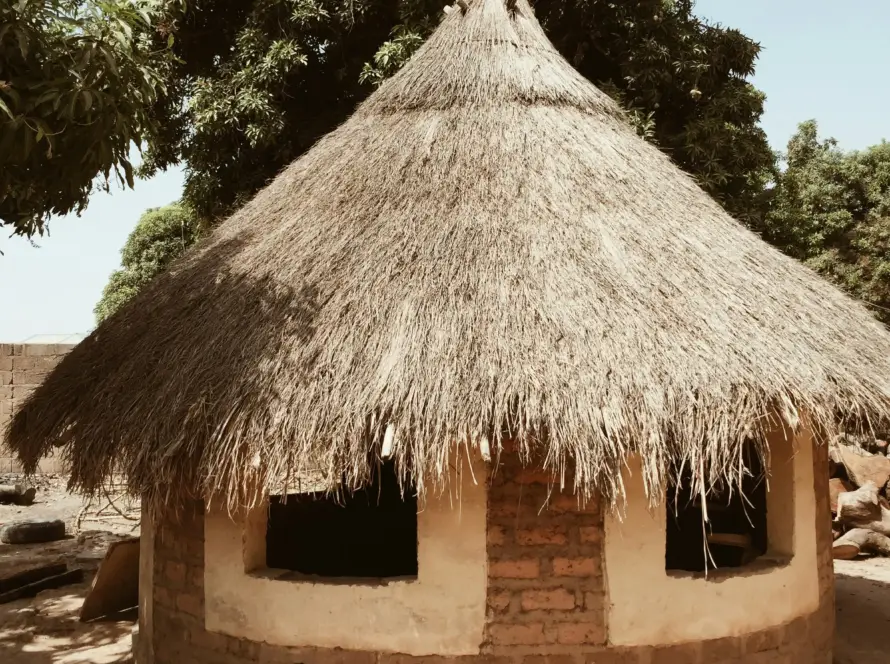
Image by BIM Services on Pinterest
Introduction
Nigeria’s construction industry keeps growing strong. Experts predict 4.3% growth in 2025, backed by more loans and government spending on housing and transport. This boom opens doors for aspiring architects across residential, commercial, and urban projects in cities like Lagos and Abuja. A win for Nigerian architecture.
If you study architecture or start your career, you need the right skills to stand out. Employers want technical know-how, creativity, and awareness of local trends like sustainable builds and modern designs that fit Nigerian culture and climate.
This guide covers must-have skills for Nigerian architecture careers today, plus tips to build them and land great roles.
RELATED BLOG POST
Nigerian Modern Architectural Designs: Latest Trend
Sustainable Nigeria Architecture Design: 2025 Trends
Transform Your Space: Stunning Interior Architectural Design
Dream Big: Understanding Architectural Home Designs
Ready to build your future in Nigerian architecture? Contact Imprexi for career opportunities or consultations on your next modern, sustainable design project.
The Nigerian Architecture Landscape in 2025
Nigeria faces fast urban growth and a big housing shortage, so demand for skilled architects stays high. The sector should grow at an average 3.1% yearly from 2025 to 2028, thanks to investments in infrastructure, housing, and energy.
Job sites like HotNigerianJobs and Indeed list hundreds of openings, from junior roles to senior positions. Many ask for 2-5 years of experience, even for fresh graduates. Firms like Imprexi lead with innovative residential and commercial projects that blend modern style with sustainable practices.
Forward-thinking companies prioritize architects who handle digital tools, green design, and client needs. At Imprexi, we seek talent that brings fresh ideas to real Nigerian challenges, like climate-responsive homes in hot cities.

Image on Oshinowostudio
Core Technical Skills for Nigerian Architecture Careers
Technical skills form the base of any architecture job in Nigeria. Employers check for these first on your CV.
Proficiency in Design Software
Almost every job ad mentions tools like AutoCAD, Revit, SketchUp, and Lumion. Revit leads for Building Information Modeling (BIM), which helps teams work together and spot issues early. In 2025 listings, over 90% require Revit or similar skills. Master these to create detailed models and renders that impress clients.
Building Information Modeling (BIM)
BIM goes beyond basic drawing. It builds smart 3D models for the full project lifecycle. Nigerian firms use it more for big commercial and urban jobs to cut costs and waste.
Knowledge of Local Building Codes and Regulations
You must know Nigerian standards and ARCON guidelines. Fully registered architects follow rules on safety, accessibility, and environment. Skip this, and projects face delays or fines.
Sustainable and Green Design Principles
With climate focus rising, skills in eco-materials, energy efficiency, and passive cooling matter. You can think of solar integration, rainwater harvesting, and local resources like bamboo.
Essential Soft and Emerging Skills
Technical ability gets you in, but soft and new skills help you grow.
Communication and Client-Facing Abilities
Architects explain ideas to clients, contractors, and teams. Strong presentation and listening skills build trust, especially for residential projects where clients have personal visions.
Creativity with Cultural Fusion
Top Nigerian architecture mixes global trends with local elements, like tropical modernism or traditional patterns in modern facades. This creates buildings that feel authentic.
Project Management Basics
Many roles need you to handle timelines, budgets, and site supervision. Tools like MS Project help, mainly for mid-level positions.
Emerging Skills: AI Tools and Smart Tech
In 2025, AI aids design optimization and simulations. Knowledge of smart building tech, like automated systems, gives an edge in urban projects.
How to Build These Skills and Launch Your Nigerian Architecture Career
Start with a solid foundation; earn a B.Sc. or M.Sc. in Architecture from an ARCON-accredited school. Then gain two years of supervised experience and pass the Professional Practice Competency Exam for full registration.
During NYSC or internships, seek firms that offer hands-on training. Build a strong portfolio with real projects or personal designs.
Network at Nigerian Institute of Architects (NIA) events or online groups. Certifications in Revit or sustainable design boost your profile.
Imprexi value architects who apply these skills to modern residential and commercial work. We create spaces that match client lifestyles while pushing Nigerian architecture forward.
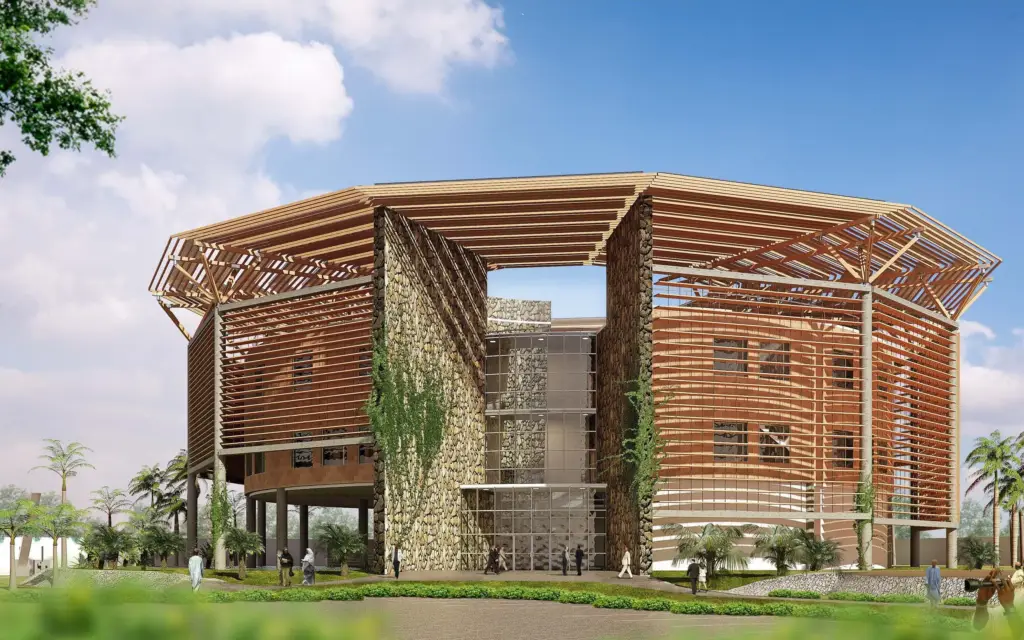
Image on livinspaces
Conclusion
Nigerian architecture careers offer exciting paths in a growing industry. Focus on core technical skills like Revit and BIM, add soft skills like communication, and embrace trends in sustainable and modern design. These will set you up for success.
At Imprexi, we actively seek talented architects ready to shape Nigeria’s built environment. If you want to join our team or need expert services for your project, reach out today.
Ready to build your future in Nigerian architecture? Contact Imprexi for career opportunities or consultations on your next modern, sustainable design project.
READ MORE: Nigerian Modern Architectural Designs: Latest Trend
FAQs
1. What software is most in-demand for architecture jobs in Nigeria 2025?
Revit tops the list, followed by AutoCAD and SketchUp. Most Lagos and Abuja postings require Revit for BIM workflows.
2. How do I become a fully registered architect in Nigeria?
Complete an accredited degree, gain supervised experience, and pass the ARCON Professional Practice Exam.
3. Are sustainable design skills important for Nigerian architecture careers?
Yes, absolutely. With growing eco-focus and policies, skills in green materials and energy efficiency open doors at forward-thinking firms.