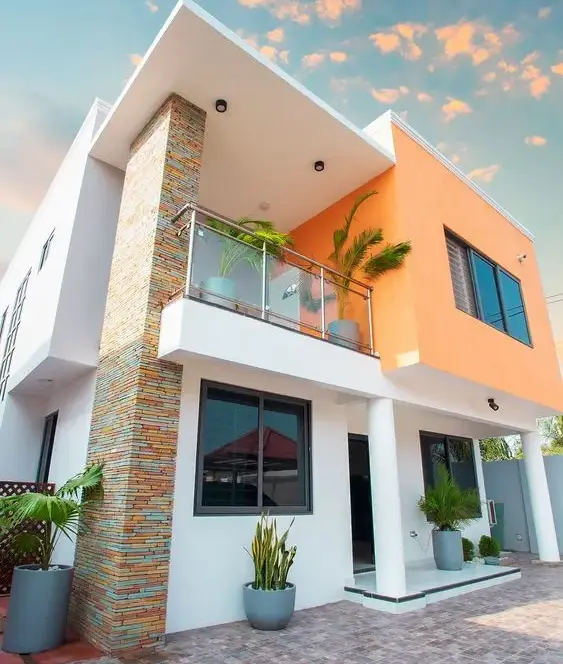
Sustainable design in Nigeria often turns into greenwashing when contractors use the buzzword on ordinary concrete homes that still guzzle diesel and imported materials. For diaspora clients in 2026, you can build a genuine eco-friendly home with local compressed earth blocks, GBCN EDGE certification, passive cooling, and simple remote oversight tools. Expect 30-50% lower running costs, cooler rooms, and real environmental impact with zero hype.
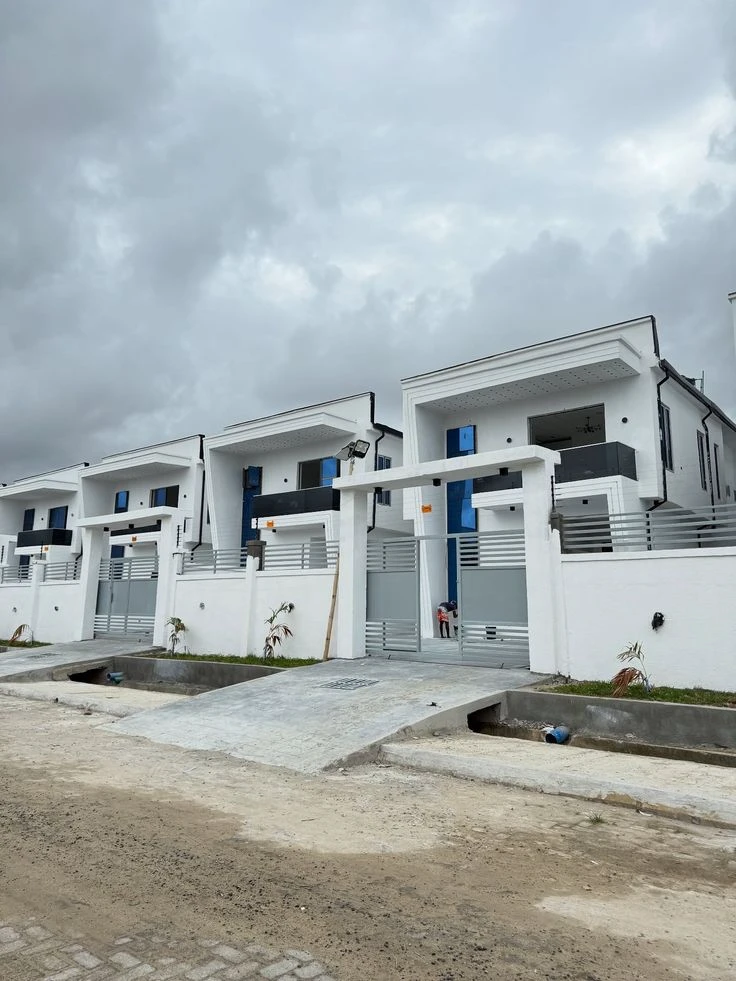
Image on Pinterest
Introduction
If you are a Nigerian living in the UK, US, Canada or anywhere abroad and dreaming of building a home back home, you have probably heard the term sustainable design everywhere. Contractors promise it and architects list it on proposals. Yet many projects end up looking exactly like every other concrete block house with a few solar panels slapped on top.
That is the reality many diaspora clients face right now in February 2026. Sustainable design should cut energy bills, respect our climate, and last generations. Instead, it often becomes expensive greenwashing that delivers zero real benefit.
In this guide, we break down exactly why this happens and give you clear, practical steps to build a truly eco-friendly home in Nigeria without falling into the hype trap.
Related Blog Posts
SUSTAINABLE NIGERIA ARCHITECTURE DESIGN: 2026 TRENDS
NIGERIA ARCHITECTURE: HOW CLIMATE SHAPES YOUR DESIGN
BUILDING PLANS IN NIGERIA: COSTS FOR DIASPORA IN 2026
BUILDING HOME: 10 BIGGEST MISTAKES DIASPORA NIGERIANS MAKE
If you are ready to build genuinely, not just talk about it, the Imprexi team is here to guide you every step of the way – from concept to keys – no matter where in the world you are right now.
What Is Sustainable Design And Why Does It Matter For Homes In Nigeria?
Sustainable design means creating buildings that meet today’s needs without harming the ability of future generations to meet theirs. In simple terms, it balances energy efficiency, water conservation, use of local materials, and minimal environmental impact.
In Nigeria, where temperatures keep rising and power supply remains unreliable, sustainable design is no longer optional. A well-designed home can cut your monthly generator fuel and electricity costs by 30 to 50 percent. It also stays cooler naturally and needs less maintenance over time.
For diaspora clients, it means building a legacy asset that actually holds value instead of one that drains money every year.
Why Is Sustainable Design Often Just Greenwashing In The Nigerian Construction Industry?
Greenwashing happens when companies use eco-friendly words to sell ordinary projects. In Nigeria today, you see “sustainable design” on bids that still rely on imported cement, single-glazed windows, and massive air-conditioning systems.
A February 2026 report from Sustainability Times highlighted the urgent need for a Greenwashing Act because misleading claims are damaging investor trust in our green transition. Many local firms claim EDGE certification readiness yet deliver standard concrete boxes with one or two token solar panels.
The problem gets worse for clients abroad. You cannot visit the site every week, so flashy presentations and vague promises sound convincing until the building runs up huge running costs.
How Can Diaspora Clients Actually Build A Genuine Eco-Friendly Home In Nigeria?
Start with the right team by hiring a NIA-registered architect who understands both international standards and local realities. At Imprexi, we specialise in remote project delivery for clients overseas.
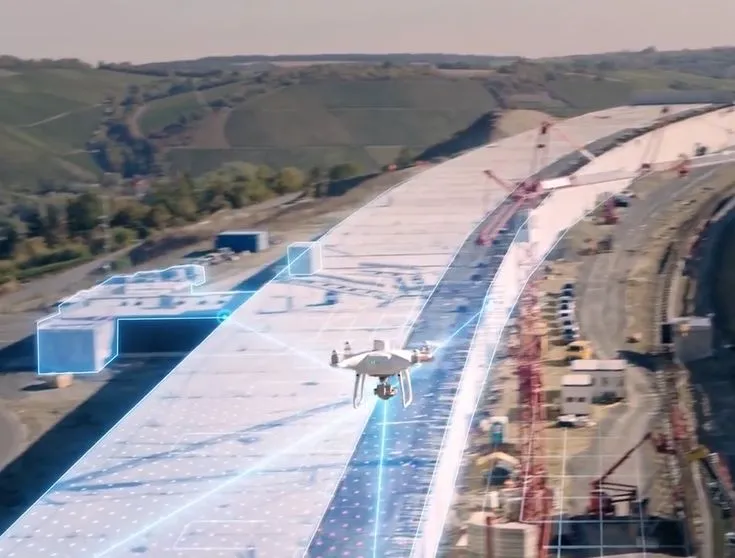
Next, set clear performance targets from day one: energy modelling, material lifecycle assessment, and third-party verification. Use video calls, drone progress reports, and shared project dashboards so you stay in control from London or New York.
Finally, focus on passive design first – orientation, shading, ventilation – before adding expensive gadgets. This approach delivers real sustainability at lower cost.
Which Local Materials Deliver Real Sustainability Without The Hype?
Forget the idea that sustainable means expensive imports and know that Nigeria has excellent options right here.
Compressed Stabilised Earth Blocks (CSEB) made with laterite and small amounts of cement stay 5 to 8 degrees cooler than concrete and cut embodied carbon by up to 60 percent. Bamboo from the south and palm kernel shells work brilliantly for sustainable interior design and finishes.
For sustainable landscape design, use indigenous plants that need zero extra watering once established. They support local biodiversity and look beautiful year-round.
These choices are not only greener but often cheaper to source and maintain when you work with verified local suppliers.
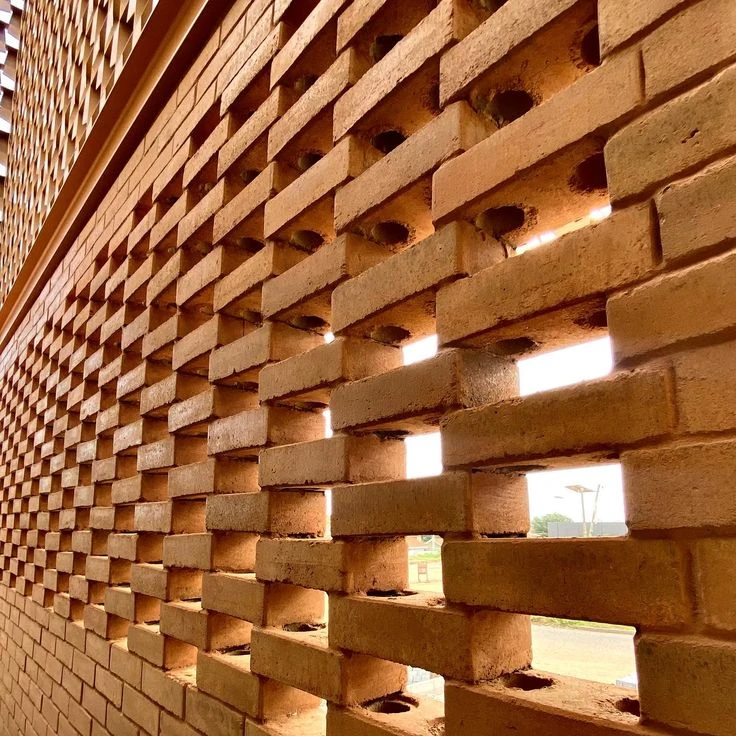
Image on Pinterest
What Certifications And Verification Steps Protect You From Greenwashing?
The most practical certification right now is EDGE from the International Finance Corporation, promoted locally by Green Building Council Nigeria (GBCN). In June 2025, GBCN partnered with Sintali to make EDGE faster and more accessible across the country.
Always demand:
- Detailed energy and water modelling reports
- Third-party material certificates
- Signed performance guarantees
- Post-construction verification audit
Skip fancy international labels that cost extra but add little local value. EDGE is designed specifically for emerging markets and delivers measurable savings.
How Much Does A Truly Sustainable Home Cost In Nigeria In 2026?
A standard 3-bedroom bungalow using conventional methods now costs between ₦25 million and ₦35 million in major cities, according to current data.
Adding proper sustainable design increases upfront cost by only 8 to 15 percent when you use local materials smartly. You recover that extra amount within 4 to 7 years through massive savings on diesel, electricity, and maintenance.
For example, a well-oriented home with CSEB walls, proper cross-ventilation and rooftop solar can run on less than 5 litres of generator fuel per month instead of 50+ litres.
What Remote Oversight Tools And Team Structure Work Best From Abroad?
Build a trusted triangle: your architect (project lead), a local site supervisor, and a quantity surveyor.
Use tools such as:
- Drone footage every two weeks
- Shared Google Drive or Procore for documents
- Weekly video progress calls at a fixed time
- Blockchain material tracking apps for high-value items
At Imprexi we have delivered many remote projects for diaspora clients in the last three years with zero major disputes. Clear contracts and performance bonds make all the difference.
Conclusion
Sustainable design does not have to be greenwashing. When done right with local materials, proper planning, and trusted partners, it gives you a cooler, cheaper-to-run, and future-proof home that you and your family can be proud of for generations.
If you are ready to build genuinely, not just talk about it, the Imprexi team is here to guide you every step of the way – from concept to keys – no matter where in the world you are right now.
Ready to start your eco-friendly home project? Send us a message today for a free 30-minute consultation tailored to your plot and budget. Let us turn your sustainable design vision into reality.
Read More: BUILDING PLANS IN NIGERIA: COSTS FOR DIASPORA IN 2026
FAQ
1. What exactly is sustainable design in simple terms?
Sustainable design creates buildings that use less energy, less water, and local resources while staying comfortable and affordable to run for decades.
2. How do I know if a contractor is greenwashing their sustainable design claims?
Ask for energy modelling reports, material invoices, and independent certification proof. Vague promises without numbers are a red flag.
3. Is sustainable design really worth the extra cost for a diaspora client?
Yes. The modest upfront premium pays back quickly through lower running costs and higher resale value. In 2026 Nigeria, green homes attract premium buyers and tenants.
Author

By Anuma Maxwell – Veteran Content Writer & Brand Storyteller | SEO Specialist | Social Media Manager with years of proven experience creating high-impact copy, blog posts, and digital narratives that drive engagement and conversions.